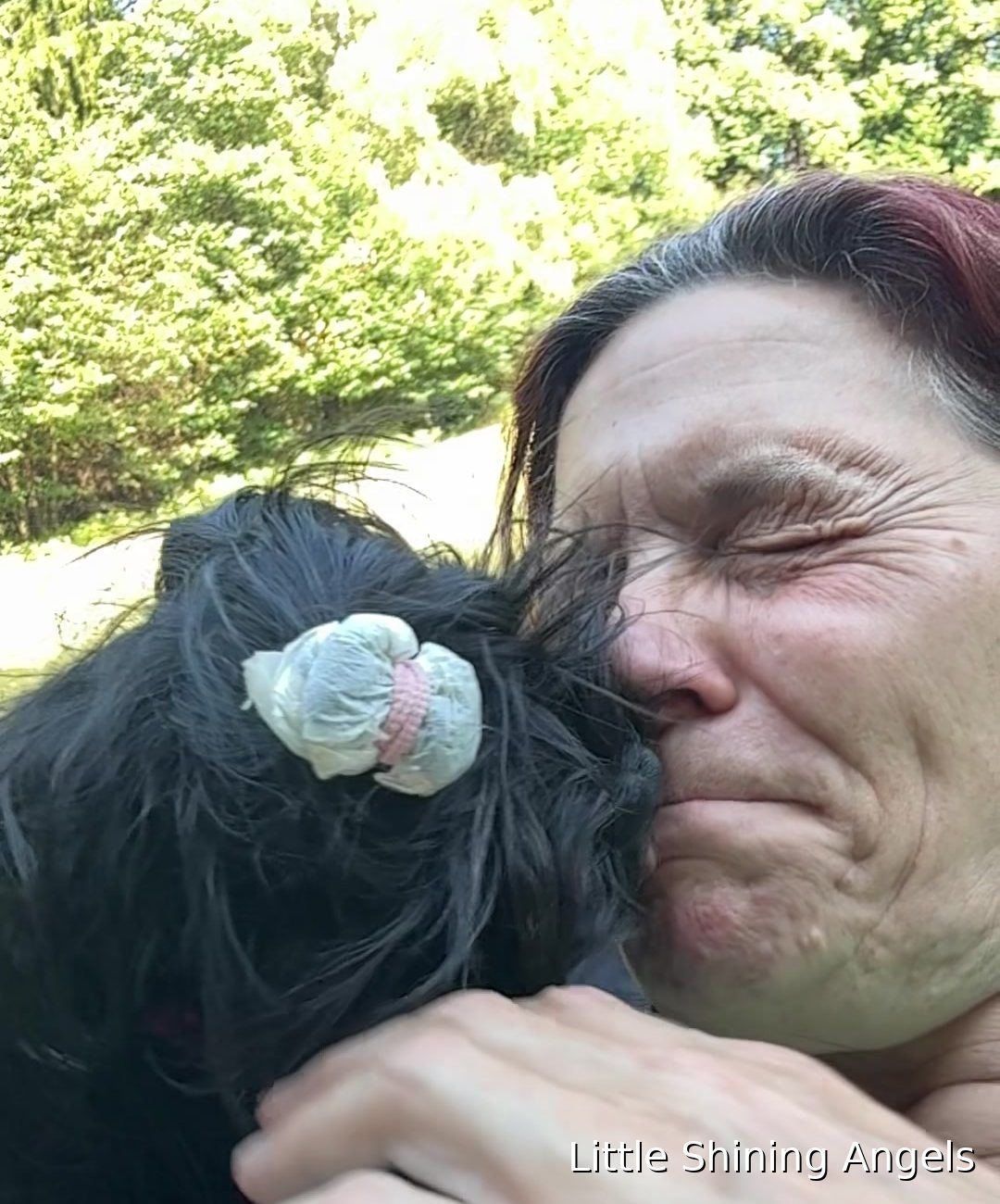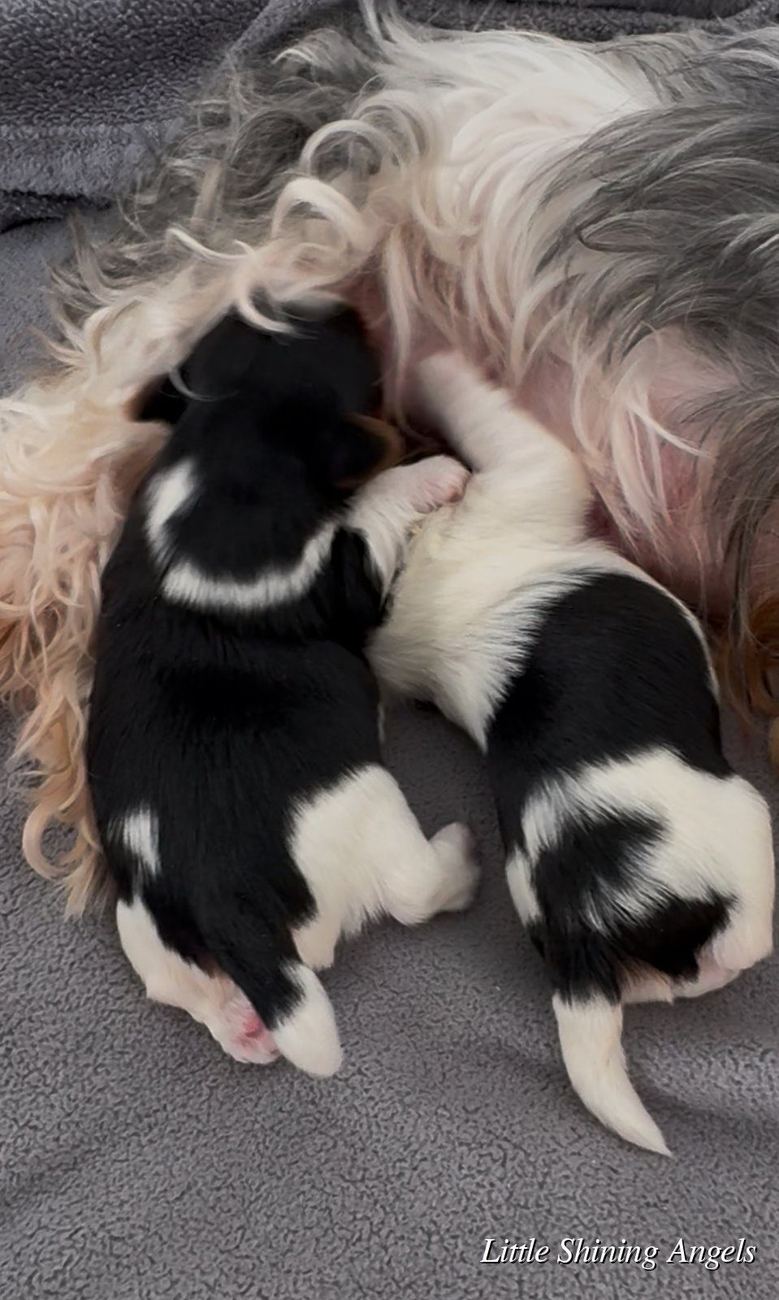
Anyone who lives with terriers for a while soon notices an interesting paradox that overturns many a human stereotype. New owners often expect females to be the gentlest and most submissive, and males to be sharp and stubborn. Yet everyday life within the pack often shows a very different picture — one that behavioural and neurobiological studies of dogs increasingly illuminate. Sex is not destiny; it is just one piece in the mosaic of character. But it is worth understanding, because choosing a sex often also means choosing a dynamic of living together.
The male — the loyal "eternal boy"
In these breeds, males are often exceptionally open, emotional and strongly attached to their person.
- Cuddliness and closeness: they are the great "softies", always seeking a lap, attention and contact.
- Playfulness: they are more open to mischief and often remain "eternal puppies" well into adulthood.
- Eagerness to please: they usually have a stronger desire to please their handler; they forgive faster and hold fewer grudges.
- Protectiveness: they can be quite attached to their space. Without clear, calm boundaries set early on, they are more prone to marking territory and announcing strangers.
The female — the independent "queen"
Females are often more complex personalities with a strong sense of their own worth.
- Independence: they are very loving, but on their own terms. When they have had enough cuddling, they calmly retreat to their own corner.
- Natural authority: within the pack (and at home) they often take on the role of quiet boss — a single look or posture is enough to restore order.
- Focus and cleverness: they learn quickly and can be extremely focused, but with a more pronounced terrier self-will — they cooperate when they see the point.
- Fluctuations: because of hormonal cycles, they can be moodier or more reserved at certain times of the year.
This very difference shows itself again and again in daily life with terriers — soft trainability on one side, and a decisive, self-possessed nature on the other.
What the science says
These observations are not mere chance in a single litter — they stem in part from evolutionary and biological foundations that research increasingly explains. The review by Scandurra and colleagues (2018) found that, on average, males are somewhat more inclined to social play, while females are more inclined to cooperate with humans in tasks that require coordination; the sex differences align with those known in wild animals.
Jung and Hwangbo (2025) observed different patterns of activity and rest by sex in dogs during the owner's absence — suggesting the differences have a partly biological basis, not only an upbringing-related one. Coren (1994), in his foundational work on canine intelligence, points out that "working obedience" is not the only form of intelligence: alongside it stands the ability to solve problems independently and to judge situations for oneself.
Genetics and early development
Fundamental character is shaped already in the litter — through early socialisation, neurobiological development and the genetics of the parents. Calm, consistent guidance that lets a puppy grow up feeling safe brings out the best in both sexes.
Choosing a sex is therefore not just a visual decision, but a choice of the dynamic of living together. Those who want constant closeness and a dog who always seeks their gaze will find a perfect companion in a male. Those who value a strong, independent character and quiet authority will find an irreplaceable companion in a female. The right choice is simply the one that fits your life.
Literature and sources
Scandurra A, Alterisio A, Di Cosmo A, D'Aniello B (2018). Behavioral and Perceptual Differences between Sexes in Dogs: An Overview. Animals 8(9):151.
Jung EG, Hwangbo S (2025). Sex differences in dog behavior during owner absence. Korean Journal of Agricultural Science 52(2):163–169.
Coren S (1994). The Intelligence of Dogs. Bantam Books.
Note: these are average character tendencies and do not apply to every individual dog; individual character and socialisation matter more than sex. This text is not a substitute for professional behavioural or veterinary advice.