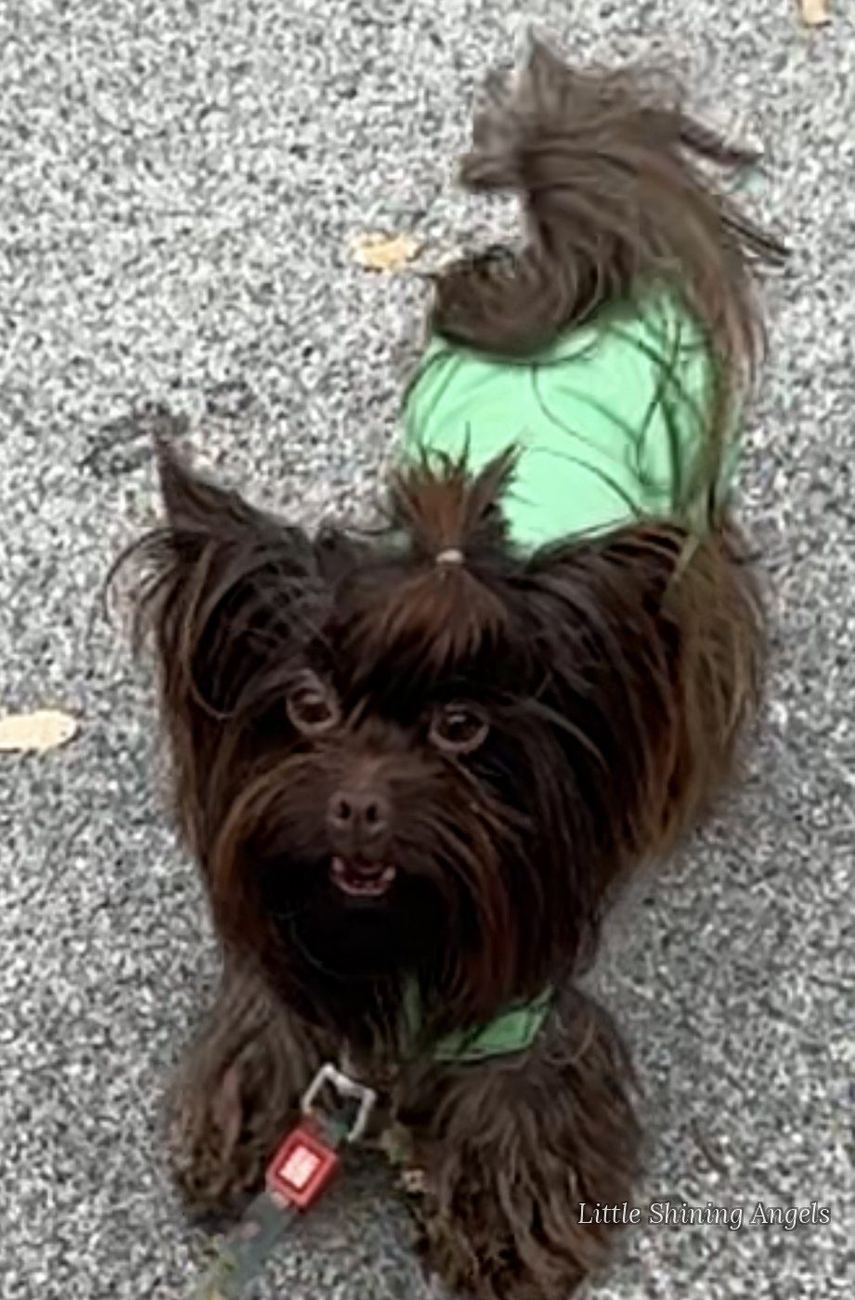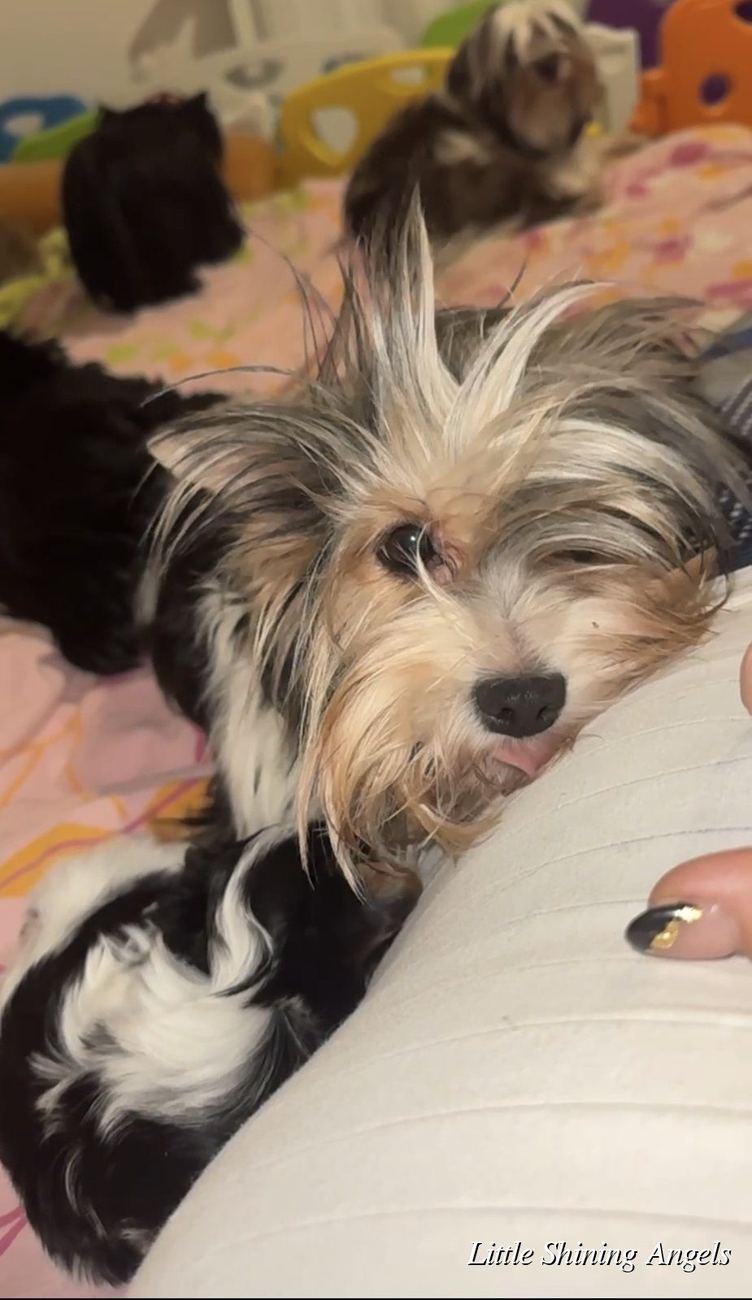
A dog talks all the time. Only not with words, but with its body. And that is precisely why people so often do not hear it. When a dog finally growls or bites, we say it came out of nowhere. In reality the dog said it ten times before; we just did not know how to read.
Why this matters
A dog we understand does not need to express itself loudly. But when we overlook its quiet signals, we leave it no choice but to increase the volume. First it withdraws. Then it stiffens. Then it growls. And only at the end does it bite.
Almost every bite has behind it a history of overlooked warnings.
The quiet signals we overlook
There is a whole range of small signals with which a dog says it is uncomfortable. We call them calming signals, because a dog uses them to calm itself or us.
The dog licks its nose, though it has not eaten. It yawns, though it is not tired. It turns its head away. It looks aside so the white of the eye shows. It slowly withdraws. It shakes as if wet. All these signals mean the same message. Something is unpleasant for me, please calm down.
People often overlook these signals because they are quiet and unobtrusive. Or we misread them, thinking "it only shook itself".
We read the whole, not a single part
We never read only the tail, only the ears or only the face. A dog talks with its whole body.
A relaxed dog is soft. The body is loose, the mouth slightly open, the eyes calm, the movements flowing. A tense dog is stiff. The body is rigid, the gaze fixed, the muscles tense, even if it wags its tail.
That is precisely why it is dangerous to think a wagging tail always means joy. The tail says the dog is aroused, but not what kind of arousal it is.
Why punishment does not work
When a dog growls, many think it must be punished for it. This is understandable, but it is one of the most harmful mistakes.
Growling is not an attack. Growling is a warning. It is a dog's way of saying, please stop, or I will have to go further. If we punish a dog for growling, we teach it not to warn anymore. And then we really do get a dog that bites without warning.
So we never punish growling. Instead we listen to what the dog is actually telling us and remove the cause of its discomfort.
What this means in everyday life
Let us observe a dog when someone approaches it, when we pet it, when visitors come. Let us see whether it is soft or stiff. Whether it withdraws or comes closer.
Let us also teach children not to hug a dog around the neck and to leave it alone when it is in its corner. A hug is often unpleasant for a dog, even if it tolerates it.
And above all, let us give a dog a choice. A dog that may say no feels safe. And a safe dog rarely needs sharper words.
Why we mention this as breeders
Because all of this begins with us. A puppy that experiences from the first days that its limits are respected grows into a dog that trusts people. It does not need to growl, because it knows we will listen sooner.
That is precisely why we never force our puppies. If a puppy does not want to, we withdraw and try another time. This is not giving in. It is building trust.
Literature and sources
Handelman B (2012). Canine Behavior: A Photo Illustrated Handbook. Dogwise Publishing.
Rugaas T (2006). On Talking Terms with Dogs: Calming Signals. Dogwise Publishing.
Siniscalchi M, d'Ingeo S, Minunno M, Quaranta A (2018). Communication in dogs. Animals 8(8):131.