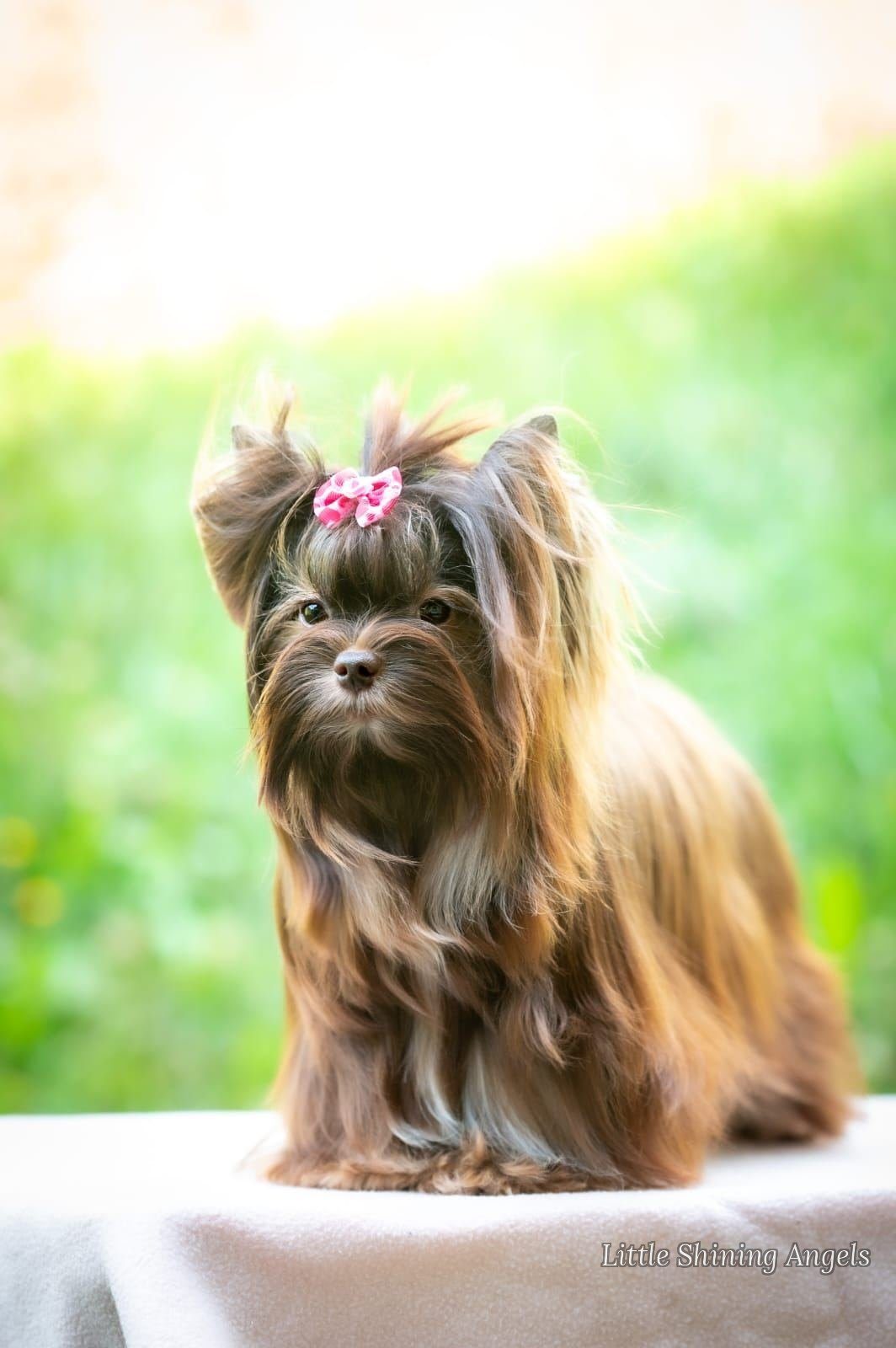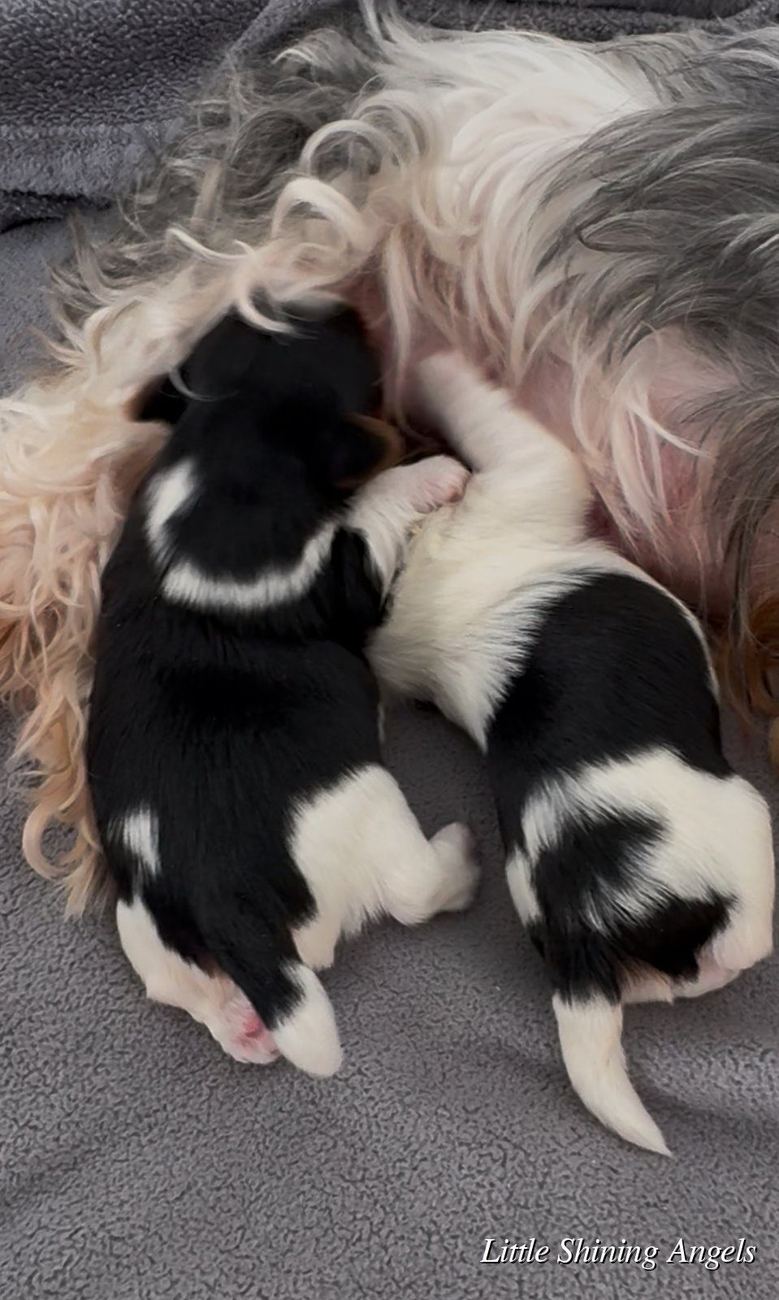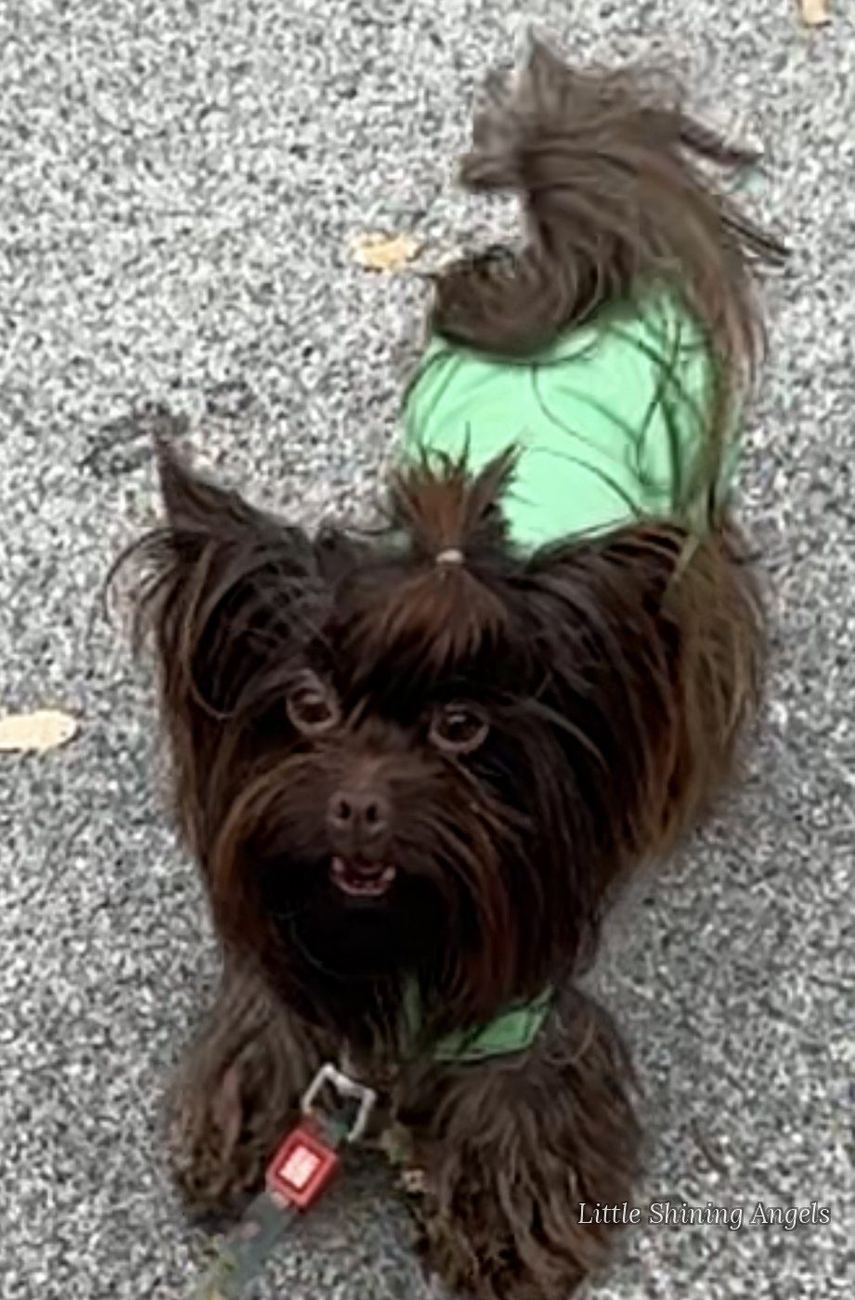
Anyone who has watched a fresh litter never forgets the sight. The mother tirelessly licks her tiny puppies, and they nestle into her. Later, once grown, dogs lick one another — on the muzzle, the ears, the face. Many people think it is simply love. The truth is richer: licking between dogs is a language with several meanings in the litter and the pack, and it is worth understanding.
Important note: this text is informational in nature and does not replace veterinary care. Every dog is an individual. At the slightest doubt, or at any sign of illness, always call your vet.
The first language of the litter
For a newborn puppy, the mother's licking is literally a matter of survival. By licking the belly and rear, the mother stimulates breathing, digestion and elimination, while also cleaning, warming and soothing the pup. This is not only care — it is also the first shaping of emotion. Research shows that the amount and quality of maternal care in the first weeks influence the temperament of the adult dog: Foyer and colleagues (2016) showed in litters of German Shepherds that puppies of more attentive mothers displayed more balanced behaviour as adults. The groups led by Guardini and colleagues (2016, 2017) similarly confirmed that maternal care, which includes licking, shapes how a puppy later responds to new and stressful situations.
For us breeders this means something simple: a good, calm mother who likes to lick and nurture is a treasure — her calm passes on to the whole litter.
Puppies with each other and with their mother
Once puppies open their eyes and begin to explore, they lick one another and lick their mother on the muzzle. This is no accident — they inherited the behaviour from wolves, where the young beg for food by licking the mother's muzzle. It is from this ancient gesture that the licking of muzzles and mouths comes, which dogs direct at other dogs, and at us, throughout their lives. In the litter, the puppy learns its first social rules: how to greet, how to soothe, how to say "I am at peace with you".
Licking as a greeting and courtesy among adults
Among adult dogs, muzzle licking is often not a display of dominance but the opposite — a polite, calming gesture. Cafazzo and colleagues (2010) observed in free-ranging dogs that younger and lower-ranking dogs more often lick the muzzles of older and higher-ranking ones; this licking belongs to what is called active submission and helps keep peace in the group. Modern studies of dog groups (Bonanni and colleagues, 2017) show that relationships between dogs are not a rigid battle for power but rather a web of respect, in which the younger, through friendly gestures — including licking — keep their place in the pack.
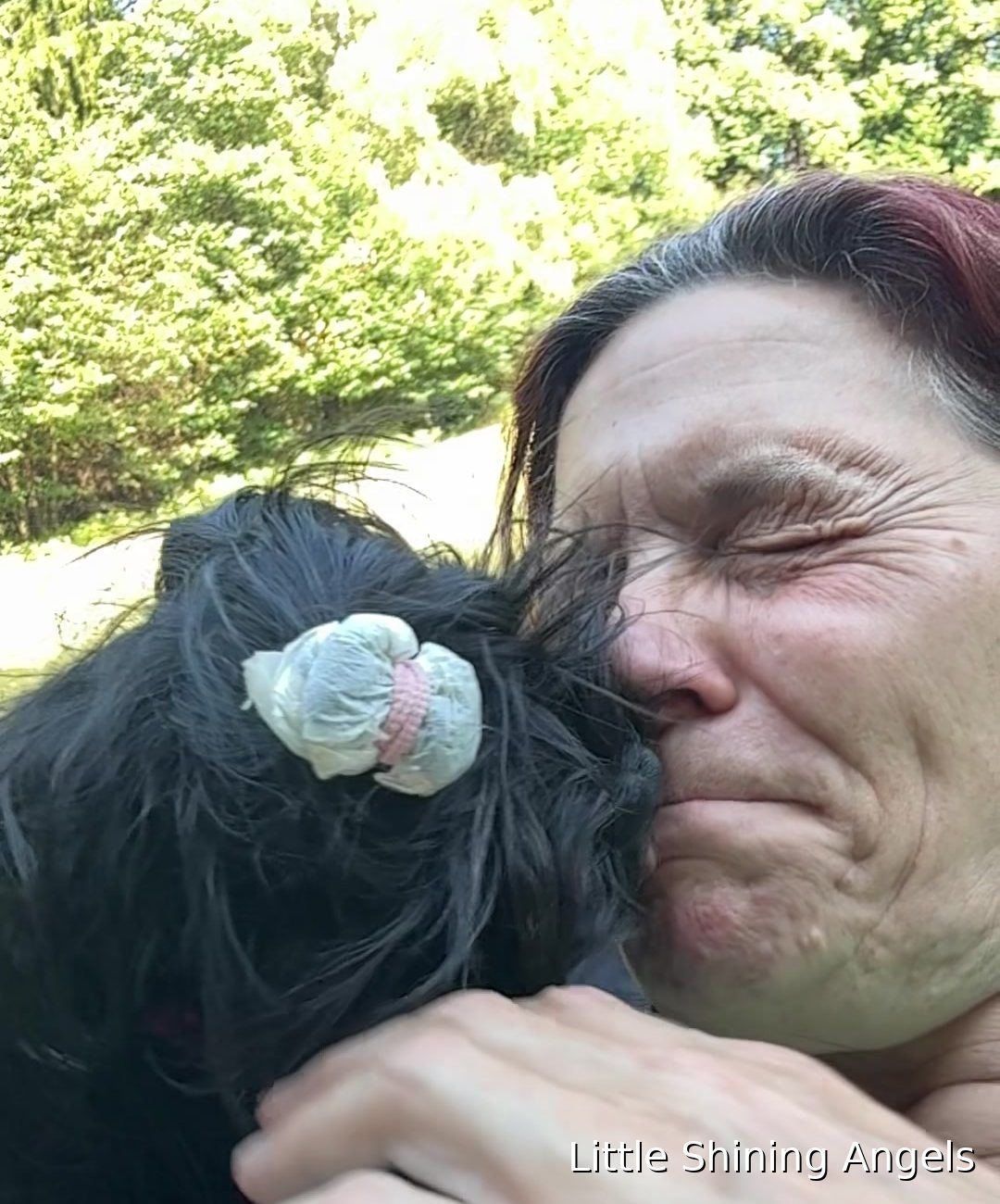
We often see exactly this scene among our own dogs, when they meet again after being apart or when one soothes the other:
Mutual grooming (allogrooming)
Dogs also lick one another where they cannot reach themselves — the ears, around the eyes, the face. This mutual grooming strengthens bonds and eases tension, and it also has a hygienic role. Here I must be honest: in dogs this area is less studied than in primates, so part of the explanation rests on observation and on their kinship with wolves, rather than on extensive studies in dogs themselves. But anyone who keeps several dogs knows the sight well — and as a rule it is a sign of harmony.
When licking between dogs is no longer sweet
Like every language, licking has its shadow side too. If one dog constantly fawns over and licks the others, it can be a sign that it feels under pressure or anxious in the group; subordinate dogs are often more burdened in tense groups. We should also pay attention when licking becomes obsessive — a dog that endlessly licks itself, another dog, or even objects may be telling us of distress or illness.
Bécuwe-Bonnet and colleagues (2012) showed that gastrointestinal disease often hides behind excessive licking. And if a dog persistently licks a particular spot on itself or on a companion, there may be a wound, inflammation or pain beneath the coat — and licking a wound slows healing rather than speeding it. Such behaviour belongs at the vet's, not in online interpretation.
What this means for a home with several dogs
Moderate, relaxed mutual licking is a healthy part of dogs living together and need not be interrupted. Never punish calming licking — with it, the dog is telling us it is seeking peace. But do watch for changes: if licking suddenly escalates, becomes obsessive, or focuses on a single spot, it is time for the vet.
A dog speaks all the time. Licking between dogs is one of its loveliest words — as long as it stays a greeting and grooming, and not a call for help.
Literature and sources
Foyer P, Wilsson E, Jensen P (2016). Levels of maternal care in dogs affect adult offspring temperament. Scientific Reports 6:19253.
Guardini G, Mariti C, Bowen J, Fatjó J, Ruzzante N, Martorell A, Sighieri C, Gazzano A (2016). Influence of morning maternal care on the behavioural responses of 8-week-old Beagle puppies to new environmental and social stimuli. Applied Animal Behaviour Science 181:137–144.
Guardini G, Bowen J, Mariti C, Fatjó J, Sighieri C, Gazzano A (2017). Influence of maternal care on behavioural development of domestic dogs living in a home environment. Animals 7(12):93.
Cafazzo S, Valsecchi P, Bonanni R, Natoli E (2010). Dominance in relation to age, sex, and competitive contexts in a group of free-ranging domestic dogs. Behavioral Ecology 21(3):443–455.
Bonanni R, Cafazzo S, Abis A, Barillari E, Valsecchi P, Natoli E (2017). Age-graded dominance hierarchies and social tolerance in packs of free-ranging dogs. Behavioral Ecology 28(4):1004–1020.
Bécuwe-Bonnet V, Bélanger M-C, Frank D, Parent J, Hélie P (2012). Gastrointestinal disorders in dogs with excessive licking of surfaces. Journal of Veterinary Behavior 7(4):194–204.
Note: the explanation of mutual grooming is partly based on experience and drawn from wolf behaviour, as it is less studied in dogs themselves. This text is based on current professional knowledge and on the experience of our kennel. It is not a substitute for consulting a vet or a canine expert.