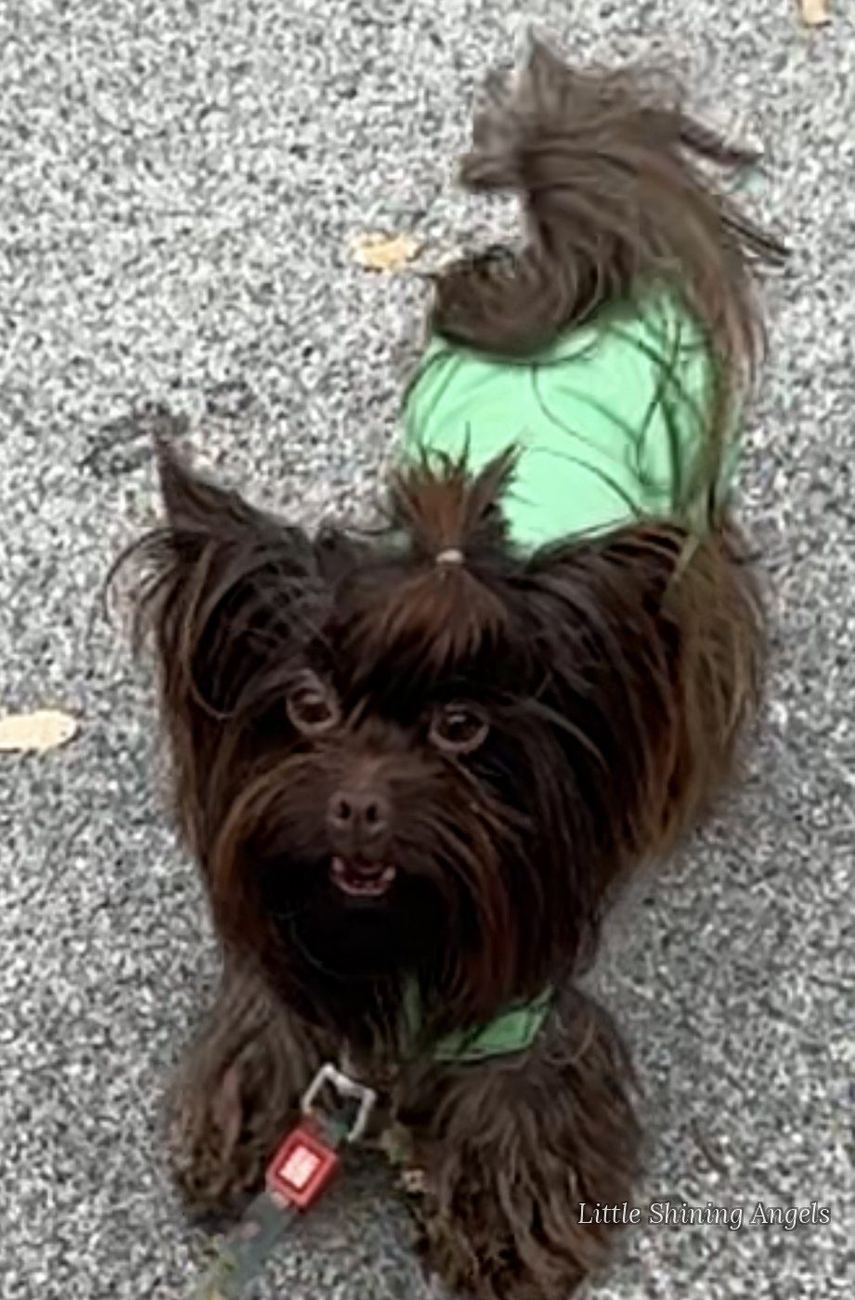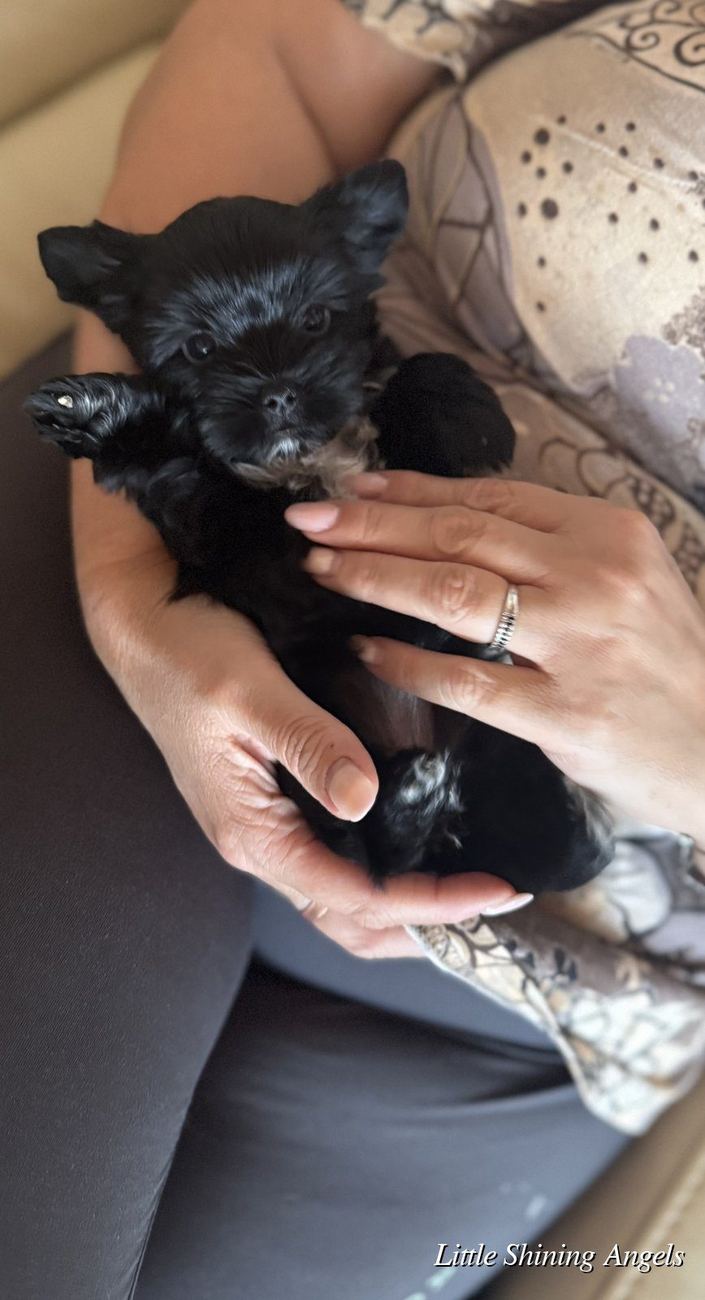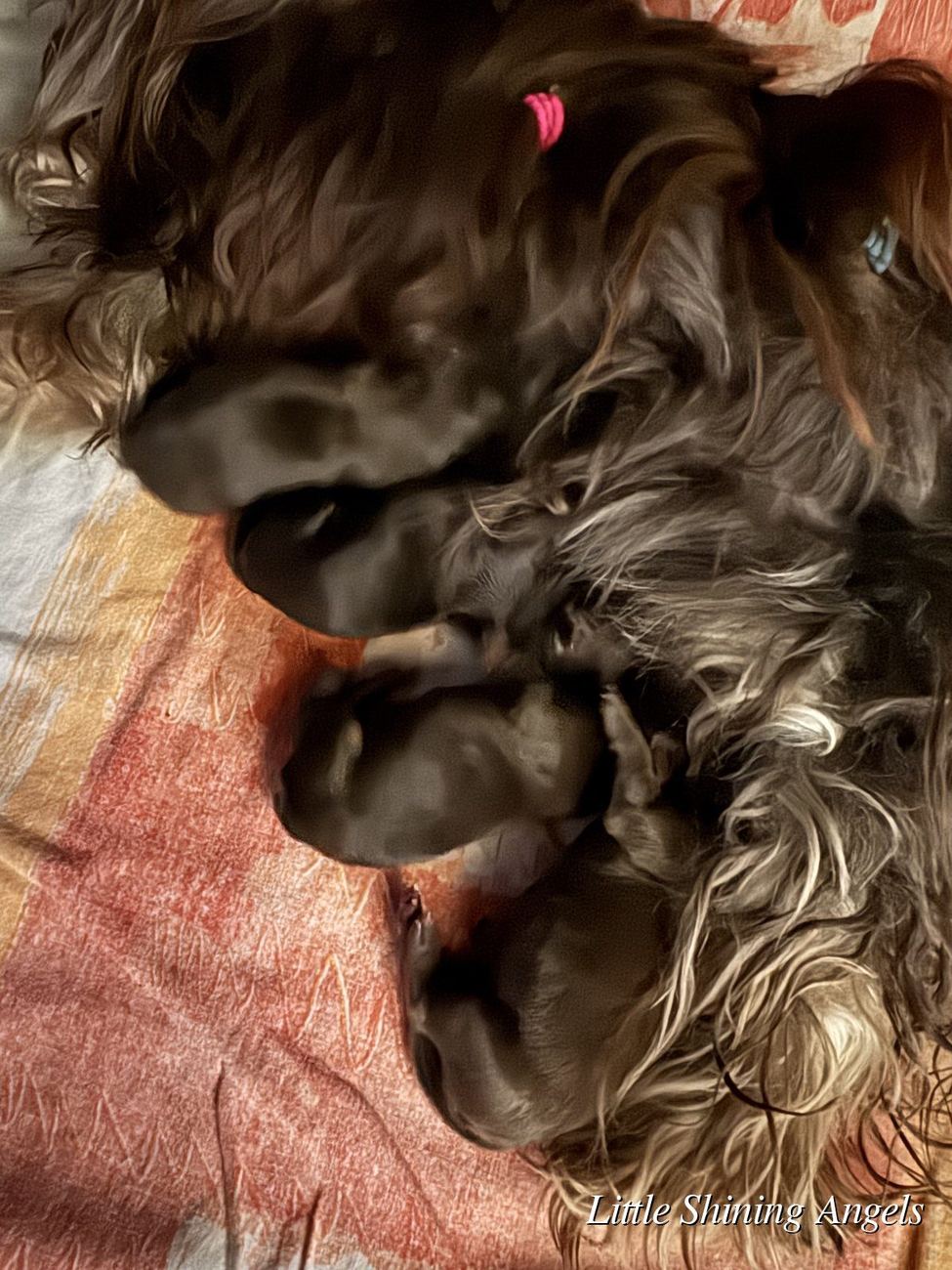
When a second dog comes into the home, we all want the same picture. Two dogs cuddling on the sofa, loving each other. Often this does happen. But it is still worth knowing how to simply prevent tension between dogs before it even appears.
Dogs do not share naturally
Many expect two dogs to share everything, because they are both dogs after all. But dogs are not natural masters of sharing. Many a thing that seems unimportant to us is valuable to them.
Food. A favourite toy. A bed. A narrow passage through a door. And the most precious of all, a human's attention.
It is precisely these things that cause most tension between dogs living together.
How we prevent tension
Separate meals. This is the simplest and most effective measure. Each dog is in its own space or far enough away that it does not have to guard its bowl. We never let them eat from the same bowl.
Enough resources for all. More beds, more toys, more water bowls than there are dogs. When there is enough of everything, there is nothing to quarrel about.
Control over especially valuable things. We give bones and long-lasting treats separately, each dog in its own corner or space. This is a rule we do not skip.
Fair attention. If we come to pet one dog, we make sure the other is not left out. Competition for a human's attention is often the hidden cause of tension.
Space to withdraw. Every dog must have its own corner where it can retreat and where no one disturbs it. Not even the other dog.
How we introduce a new dog
The first impression counts. We do not just bring a new dog into the living room and set it in front of the existing one. It is better for them to meet on neutral ground, for example on a walk outside, and only then enter the home together.
In the first days we do not leave them alone without supervision. We give them time. The relationship between two dogs is built over weeks, not in one afternoon.
What are the signs that something is wrong
A dog that constantly withdraws, that eats quickly and nervously, that does not dare pass the other dog, or that cannot relax, is telling us something. So is a dog that constantly fixes the other with its gaze or blocks its path.
These are quiet signs worth noticing early. When we overlook them, tension can escalate over time.
When to seek help
If there are serious fights between the dogs, if one of them gets injured, or if the atmosphere in the home is constantly tense, let us not delay. This is not something that resolves itself, and it is not something to be ashamed of.
In such a case the right address is a veterinarian or dog-behaviour specialist. The sooner we address it, the easier it is to resolve.
And importantly, never punish a dog that growls at another dog. Growling is a warning, not an attack. If we punish it, we take away its ability to warn, and that is dangerous.
With us
Several dogs live together with us, and that is precisely why we know that peaceful coexistence is no accident. It is the result of thoughtful arrangement, enough space, clear rules and a calm atmosphere.
When a puppy goes to a home where a dog already lives, we always advise new owners to go slowly. Patience at the start saves many problems later.
Literature and sources
Bradshaw JWS, Blackwell EJ, Casey RA (2009). Dominance in domestic dogs — useful construct or bad habit? Journal of Veterinary Behavior 4(3):135–144.
Overall KL (2013). Manual of Clinical Behavioral Medicine for Dogs and Cats. Elsevier Mosby.
Merck/MSD Veterinary Manual: Social Behavior of Dogs.