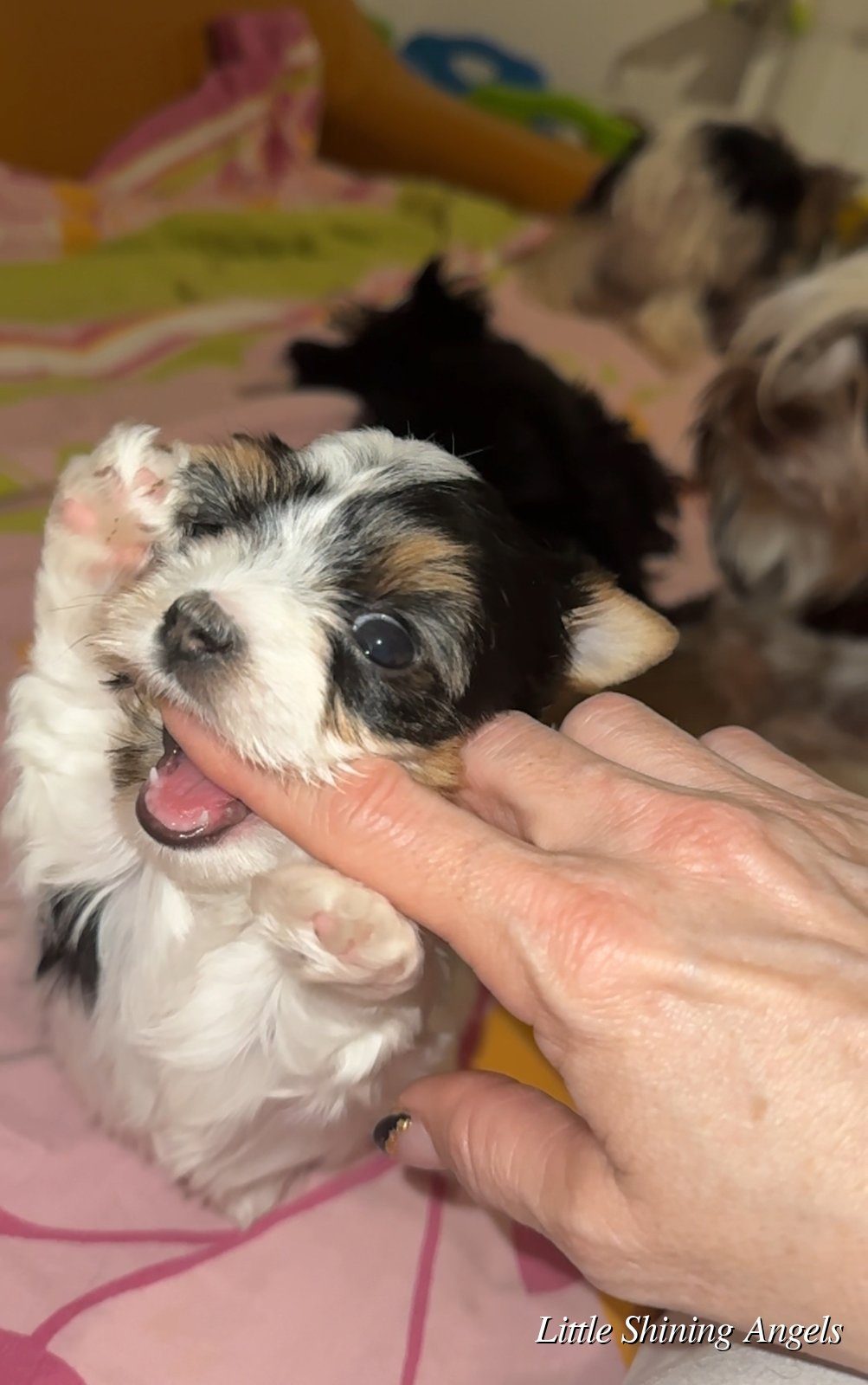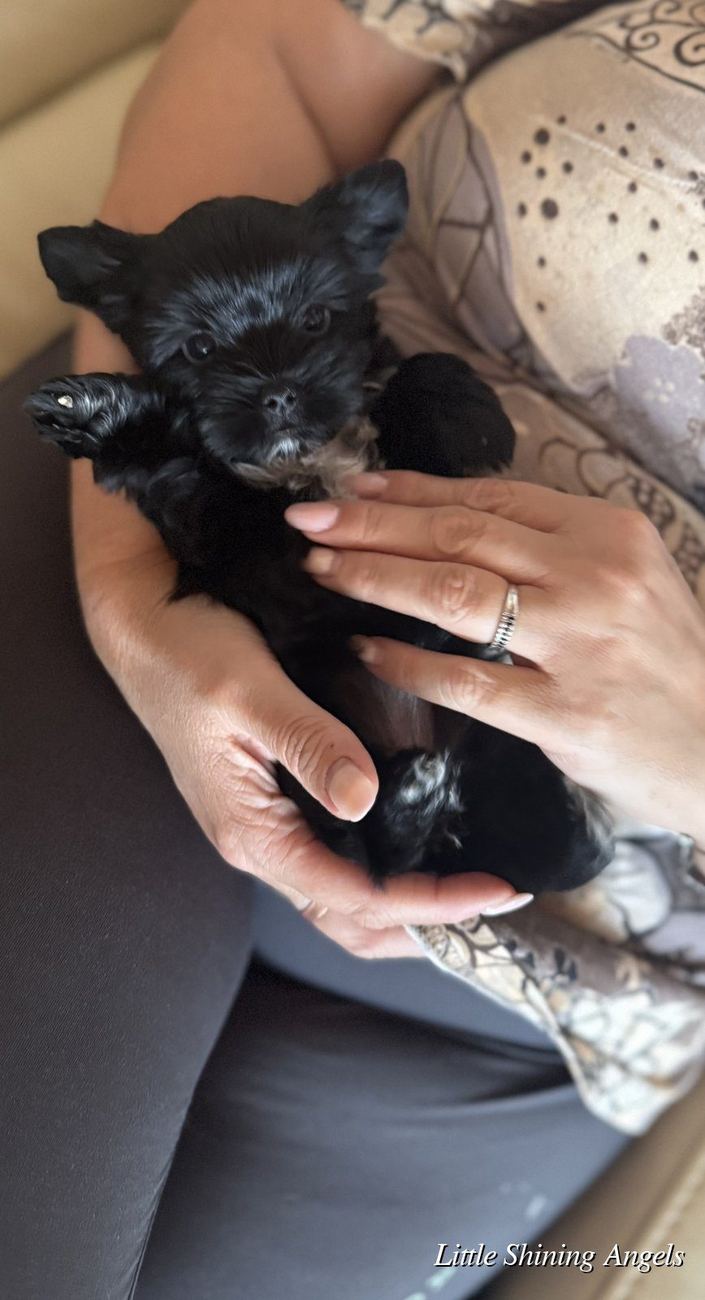
Your puppy was wonderful. It listened, sat on command, walked nicely at your side. Then somewhere between six and twelve months, something happened. Suddenly it looks at you as if it doesn't know you and does whatever it pleases.
Many an owner then thinks they have done something wrong. In reality this is something entirely natural. The dog has entered adolescence.
What is actually happening
With the onset of sexual maturity, the hormonal balance in a dog's body changes greatly. These changes also affect the brain and how the dog processes information. The result is that it seems to have forgotten everything it learned.
It has not forgotten. It is just that during this period it is much harder for it to concentrate, control impulses and persist at something that does not interest it. Much like human teenagers.
How it shows
The dog may become more restless and boisterous, as if it has too much energy. It may test limits it respected before. It is often more irritable and reacts more strongly to its surroundings.
Some dogs become cautious or even fearful again of things that did not bother them before. This is normal and does not mean anything is wrong with them.
A tendency to destroy objects may also increase. This is often not mischief but a way the dog releases inner tension.
Why stress harms even more during this period
An adolescent dog is extremely sensitive to stress. Because stress reduces the ability to remember and concentrate, learning in a tense environment during this period is almost without effect.
This is important to know. If a dog does not listen at this time, it does not help to force, punish or train it in a noisy, exciting environment. On the contrary, this does more harm than good.
What helps
Train in a calm environment. When there are fewer stimuli around, the dog concentrates more easily and actually takes something away. Short, pleasant exercises in calm achieve far more than long ones in noise.
Stay consistent. Let the rules stay the same. Consistency gives a dog a sense of security, as it does not have to keep working out what is and is not allowed. But consistent does not mean strict.
Keep calm. If we get worked up, so does the dog. Our calm is the most powerful tool we have.
Ensure rest. A young dog also needs plenty of sleep. An overtired teenager is even more unbearable, just as with people.
Do not give up. This is most important. The period passes. If we stay kind and consistent, the dog returns to us, and as an adult, balanced dog.
With our breeds
This period shows in small breeds too, such as chocolate Terriers, black Terriers and Biewer Terriers. Because they are small, people often greet their outbursts with a smile, thinking "it's only small". But that is precisely why habits can form during this time that stay for life.
So we set even a small dog the same clear limits during this period as we would a large one. Only we do it kindly, calmly and consistently.
Literature and sources
Asher L, England GCW, Sommerville R, Harvey ND (2020). Teenage dogs? Evidence for adolescent-phase conflict behaviour. Biology Letters 16(5):20200097.
Serpell J, Duffy DL (2016). Aspects of juvenile and adolescent environment predict aggression and fear in 12-month-old guide dogs. Frontiers in Veterinary Science 3:49.