Note: this text is informational and does not replace veterinary care. At any sign of illness in the mother or puppies, consult your vet.
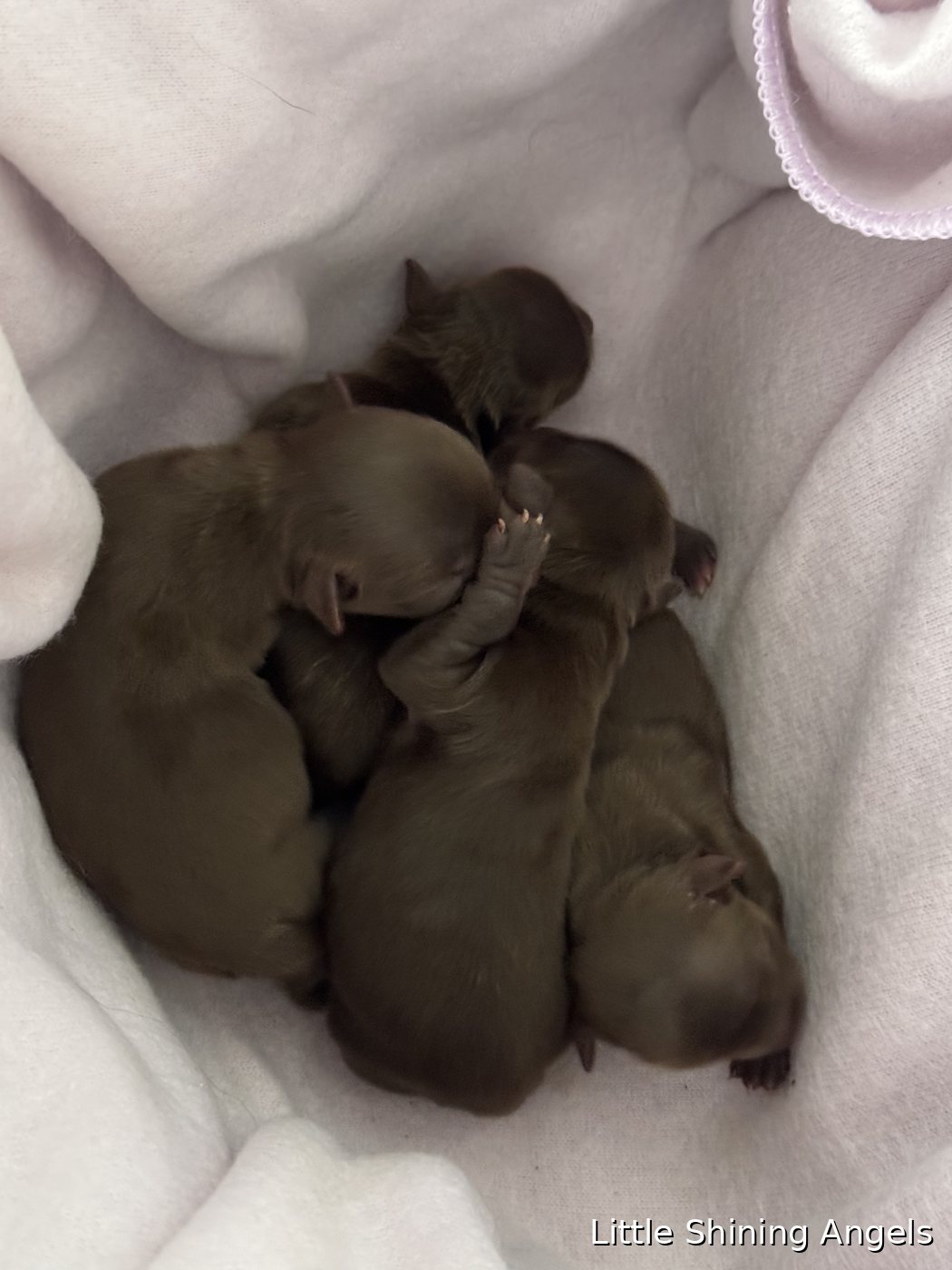
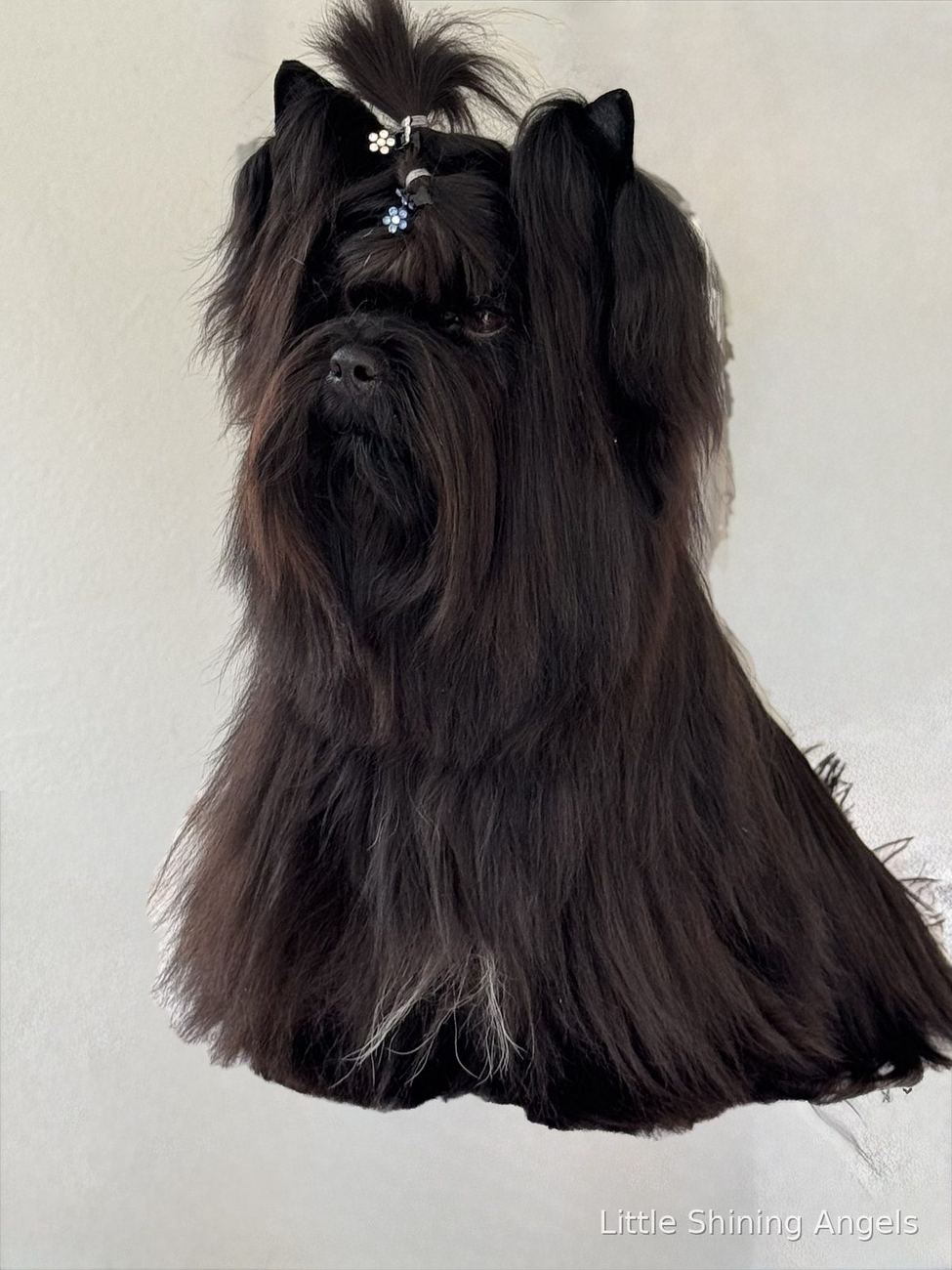
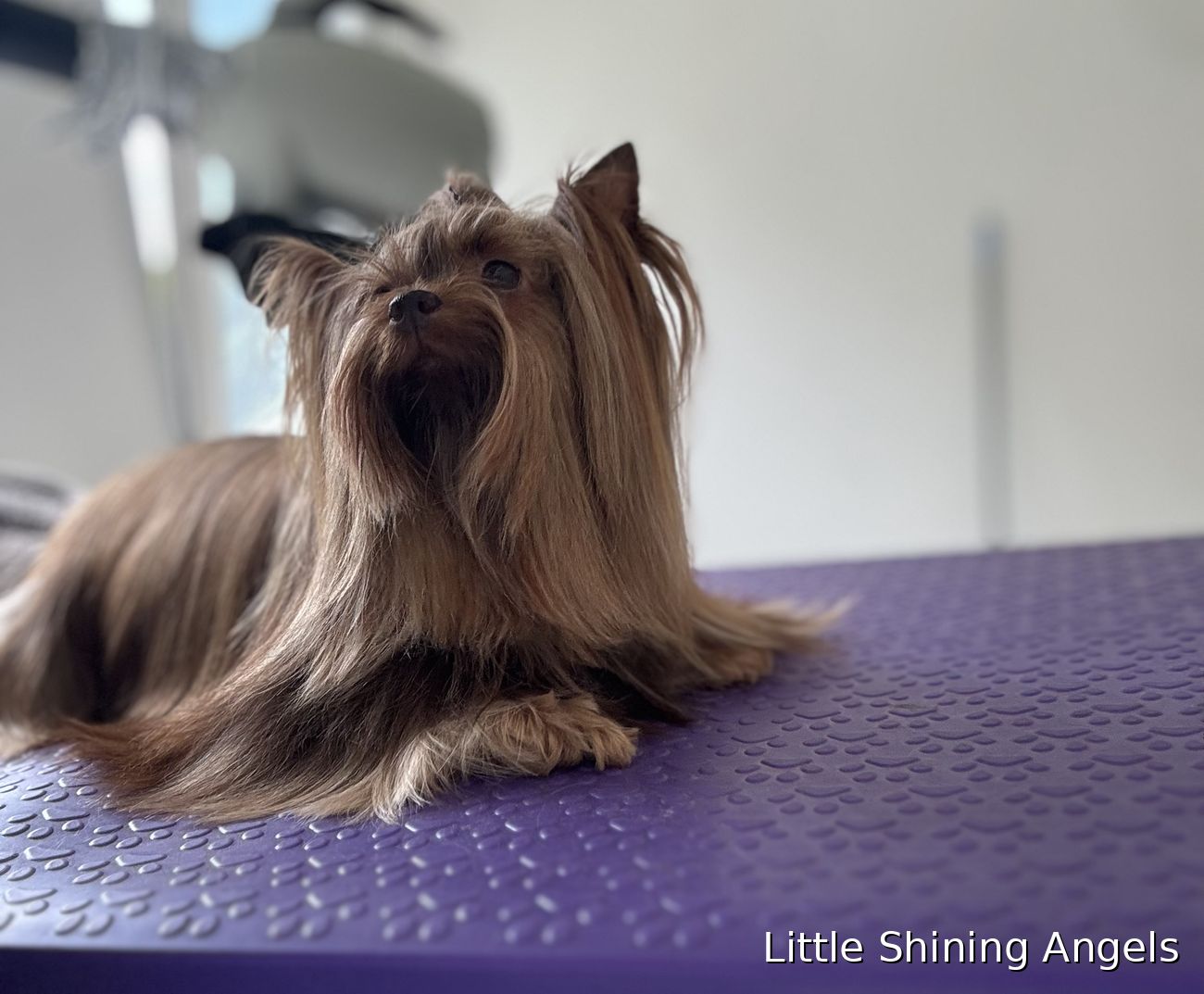
The time after whelping is one of the most delicate periods in a kennel. For breeds with long, silky, continuously growing coats — among them the chocolate terrier (chocolate yorkie) — it brings its own challenges. Care then means a fine balance: consistent hygiene on one side, and extremely gentle, non-invasive grooming that burdens neither mother nor newborns on the other.
Why clean belly and teats matter so much
After whelping, the bitch is more susceptible to infections of the mammary glands and reproductive tract. In Small Animal Pediatrics: The First 12 Months of Life (Peterson and Kutzler) it is stressed that regular cleanliness of the belly and mammary rows significantly lowers the risk of ascending infections. Post-partum discharge and moisture quickly create a bacteria-friendly environment in the skin folds around the teats. The BSAVA Manual of Canine and Feline Reproduction and Neonatology (England and von Heimendahl) likewise warns that neglected hygiene increases the risk of mastitis — inflammation of the mammary gland that can endanger both nursing and the health of mother and puppies.
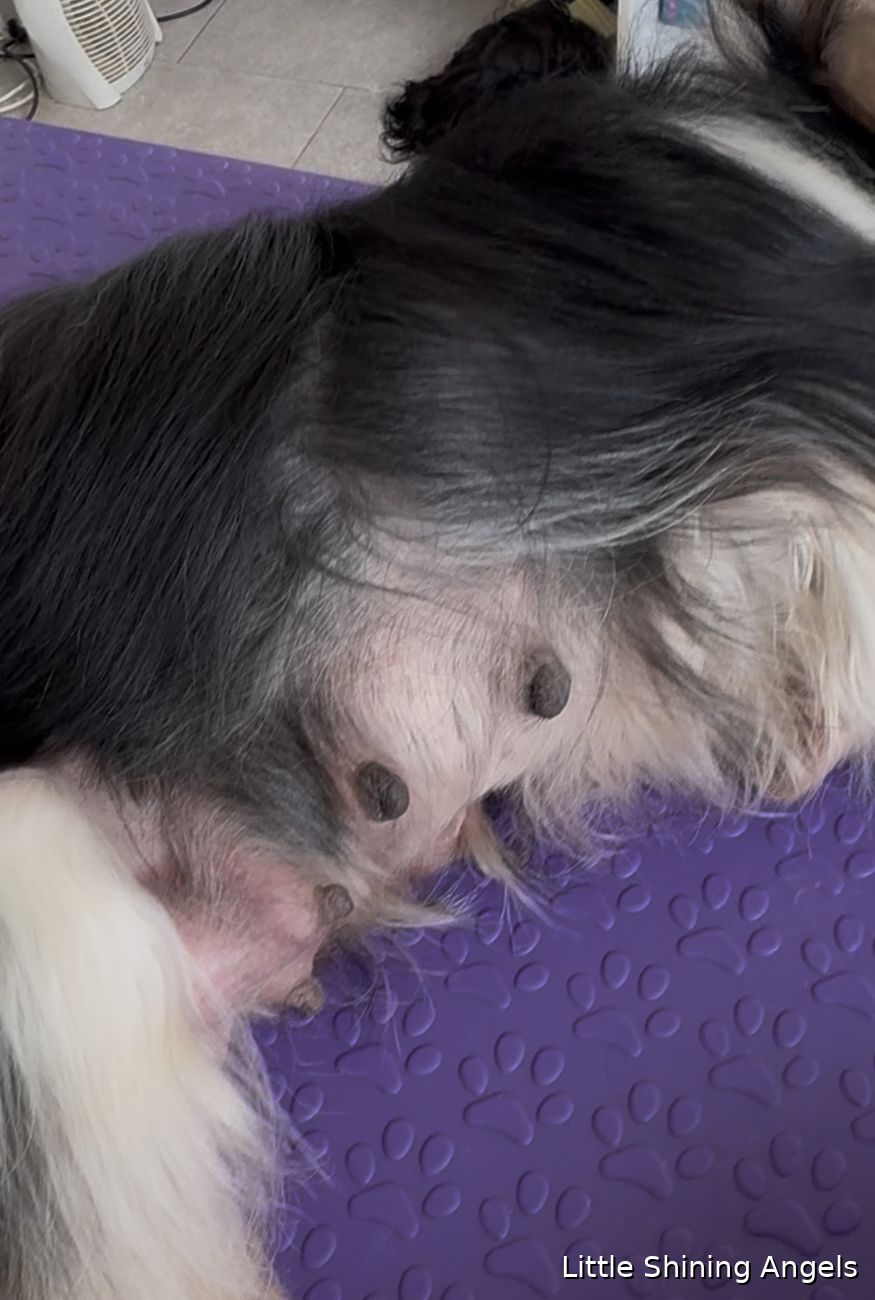
A clean, well-kept mammary line lets the puppies nurse safely.
Hormones, shedding and the danger of mats
Bitches respond to hormonal shifts very differently: some begin shedding before whelping, others right after, and some a month later. With a long coat, accelerated shedding means a high risk of stubborn mats. Regular, gentle removal of dead hair is therefore not about looks but safety: curious puppies can become entangled in loose mats, and a larger mat close to the skin, on which the mother lies for a long time, can cause painful skin inflammation through pressure and moisture.
A sanitary trim around the teats
In long-coated breeds, the hair around the teats and under the tail quickly holds moisture and milk residue. Following Notes from the Grooming Table (Verplank), a careful sanitary trim makes sense: shortening the hair around the mammary complexes prevents matting and inflammation and gives the puppies unobstructed access to the teats.
Gentle, neutral scents for sensitive newborns
Newborn puppies have an extremely developed sense of smell and an undeveloped immune system. Strong essential oils or intense fragrances do not belong near the nest — they can irritate the airways and cause unrest. Mild, neutral products make sense: quality professional cosmetics without parabens that do not disturb the skin's natural pH, and home-made, fully natural detangling sprays without harsh synthetic additives or scents.
A calm, clean mother — a calm litter
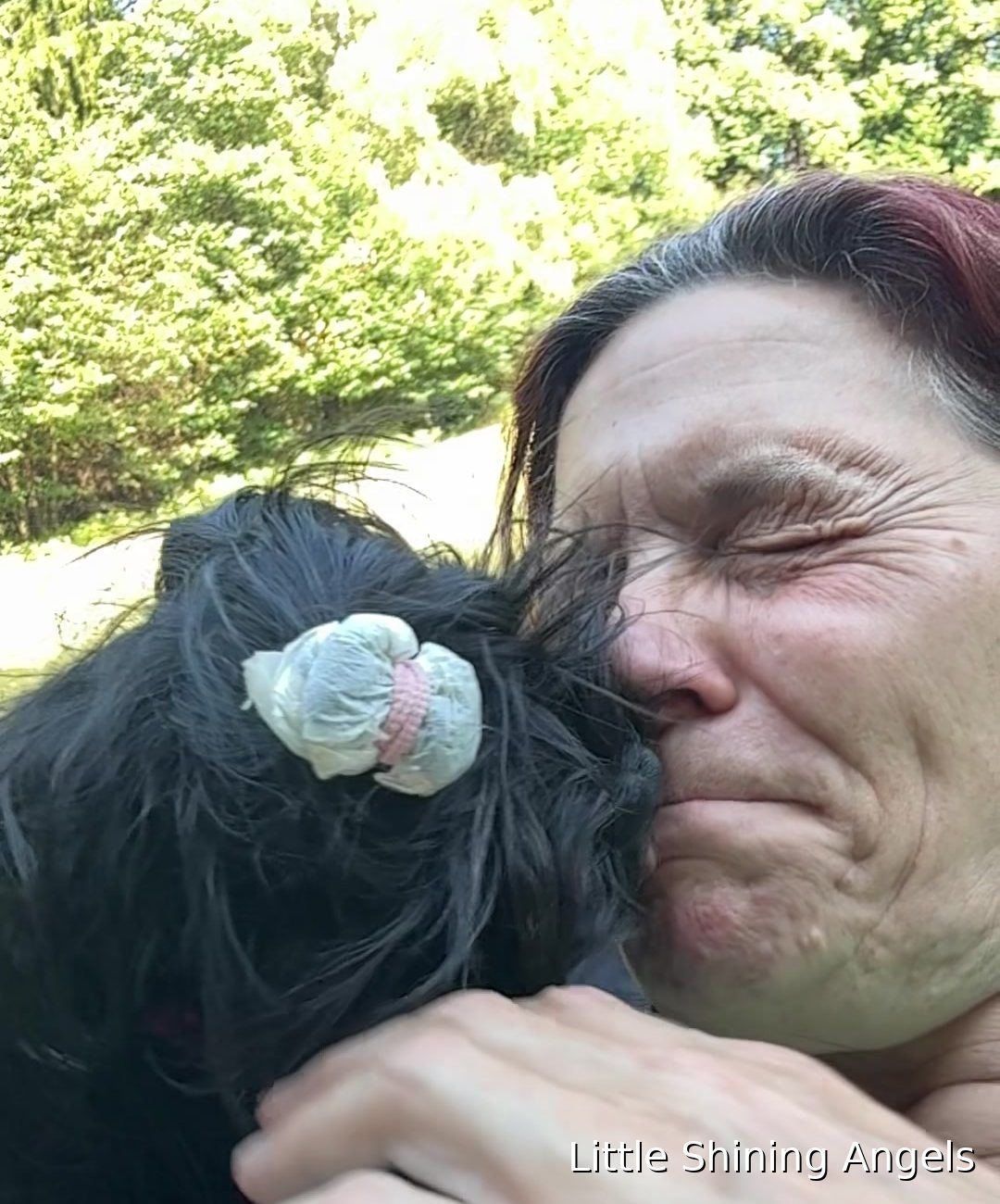
A clean, brushed and well-kept bitch without disturbing scents is more relaxed. This directly affects her wellbeing, the release of oxytocin for milk let-down and the calm of the whole litter. Respecting neutral scents and watching the shedding closely is a perfect synergy between professional hygiene and safe, loving care of the canine family.
Literature
Peterson MR, Kutzler MA (eds). Small Animal Pediatrics: The First 12 Months of Life. Saunders/Elsevier, 2011.
England GCW, von Heimendahl A (eds). BSAVA Manual of Canine and Feline Reproduction and Neonatology. 2nd ed., BSAVA, 2010.
Verplank M. Notes from the Grooming Table.
Note: this text is based on professional literature and our kennel's experience and does not replace veterinary care.