When my dogs fall asleep calmly beside me in the evening, I sometimes hear that I attribute too many human qualities to them. That I imagine emotions that are not really there. But more and more scientific research shows that what we feel between us and dogs is not just imagination. It has a biological basis.
The question of whether a dog really loves us is no longer just a matter of belief. Neuroscience today offers surprisingly clear answers.
What happens in a dog's brain
The neuroscientist Gregory Berns trained dogs to lie still in a brain-scanning machine, awake and without sedatives. This let him observe what happens in their brains in response to different stimuli. He found that at the smell of a familiar person, an area linked to pleasure and the anticipation of something good is activated in the dog. The same area responds in us humans to things we love.
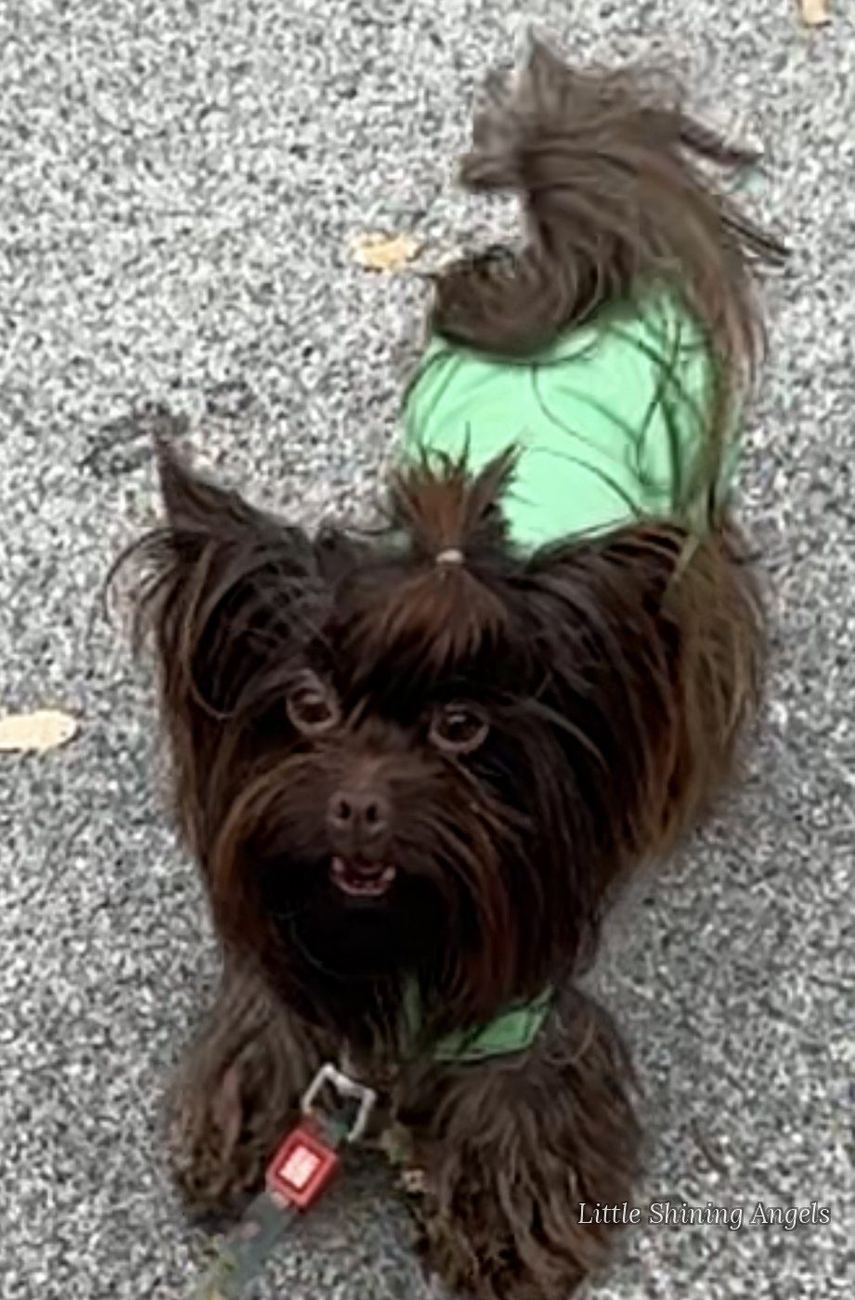
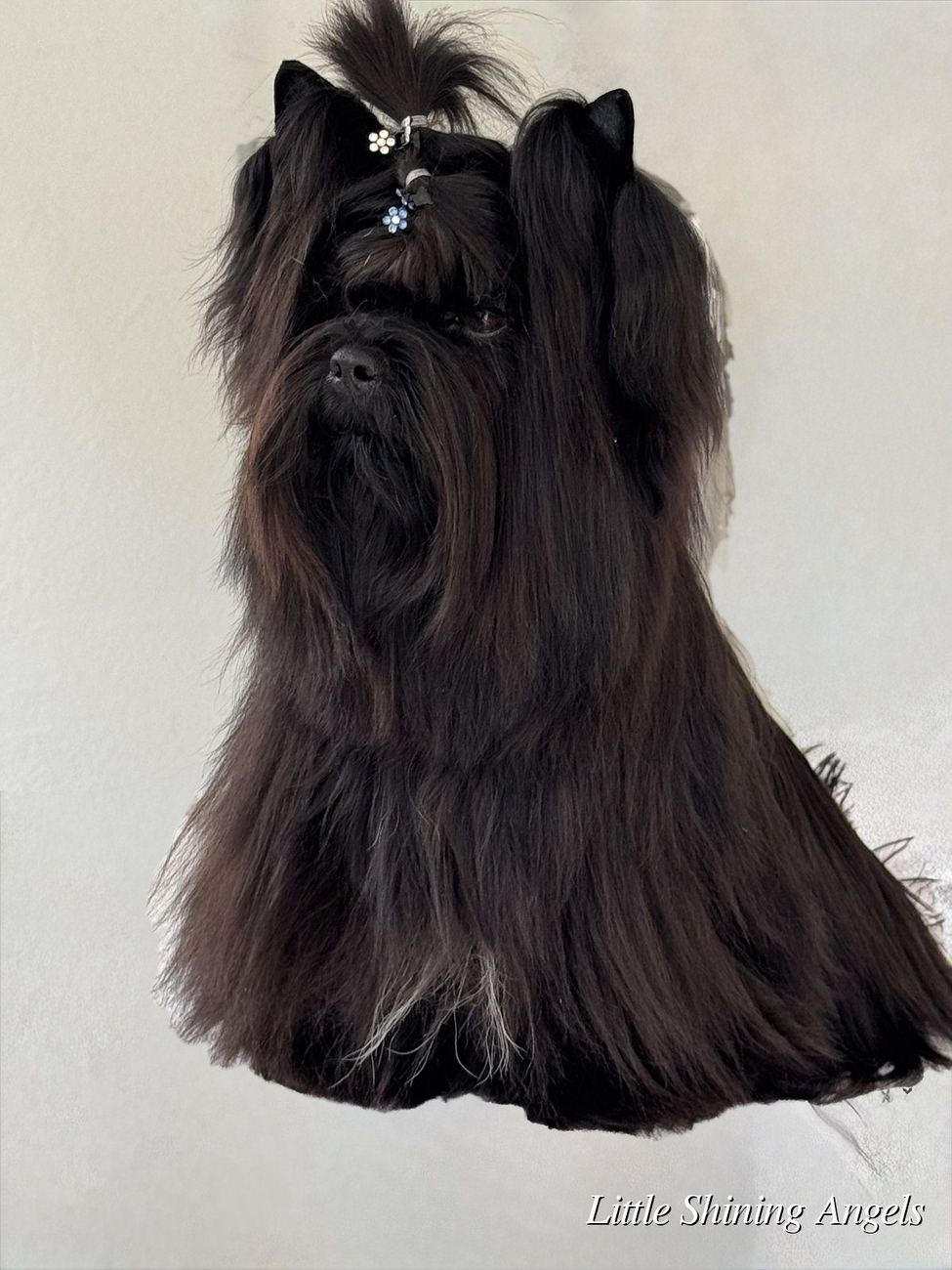
So when my Terriers and Biewer Terriers greet me with a wagging tail, it is not just a learned response because they know food follows. It is a genuine response to a person who means safety and belonging to them.
The hormone of connection
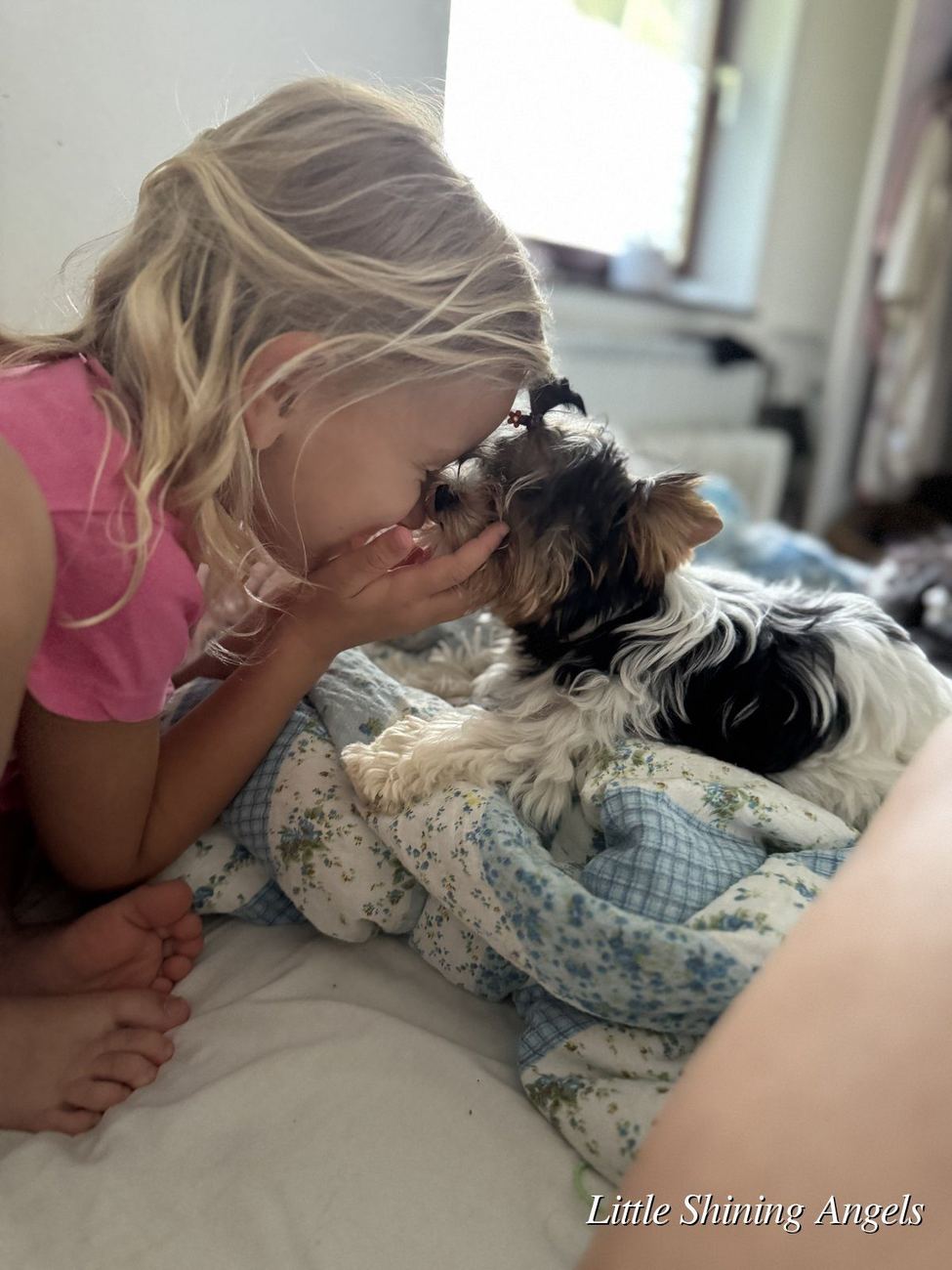
Even more telling is the research on oxytocin. This is the hormone released between mother and infant during gentle contact and gazes. It turned out that exactly the same loop is triggered between dog and human. When I gaze long and gently at my dog, oxytocin rises in both of us. In me and in it at the same time.
This means the bond we feel is not one-way. It is not that we love the dog while it merely tolerates us. The bond is mutual and chemically real.
What this means for breeding
For me, as a breeder of black and chocolate Terriers and Biewer Terriers, this is not just a curiosity. It is the foundation of how I work. If a dog feels, then the first weeks of its life are not unimportant. Every stimulus, every gentle touch, every calm moment is imprinted on the puppy. That is precisely why my puppies grow up in the house, among people, not in a kennel.
Science has only confirmed what those of us who live with dogs have long felt. The love a dog gives us is real. It is up to us to be worthy of it.
Literature and sources
Nagasawa M, Mitsui S, En S et al. (2015). Oxytocin-gaze positive loop and the coevolution of human-dog bonds. Science 348(6232):333–336.
Berns GS, Brooks AM, Spivak M (2012). Functional MRI in awake unrestrained dogs. PLOS ONE 7(5):e38027.
Topál J, Miklósi Á, Csányi V, Dóka A (1998). Attachment behavior in dogs. Journal of Comparative Psychology 112(3):219–229.