Many people think that a dog with a pedigree is automatically a dog from good breeding. Sadly, it is not so. Mass breeding can hide behind a pedigree too, where dogs live in conditions a buyer cannot even imagine. So it is worth knowing what a pedigree tells you, and what it does not.
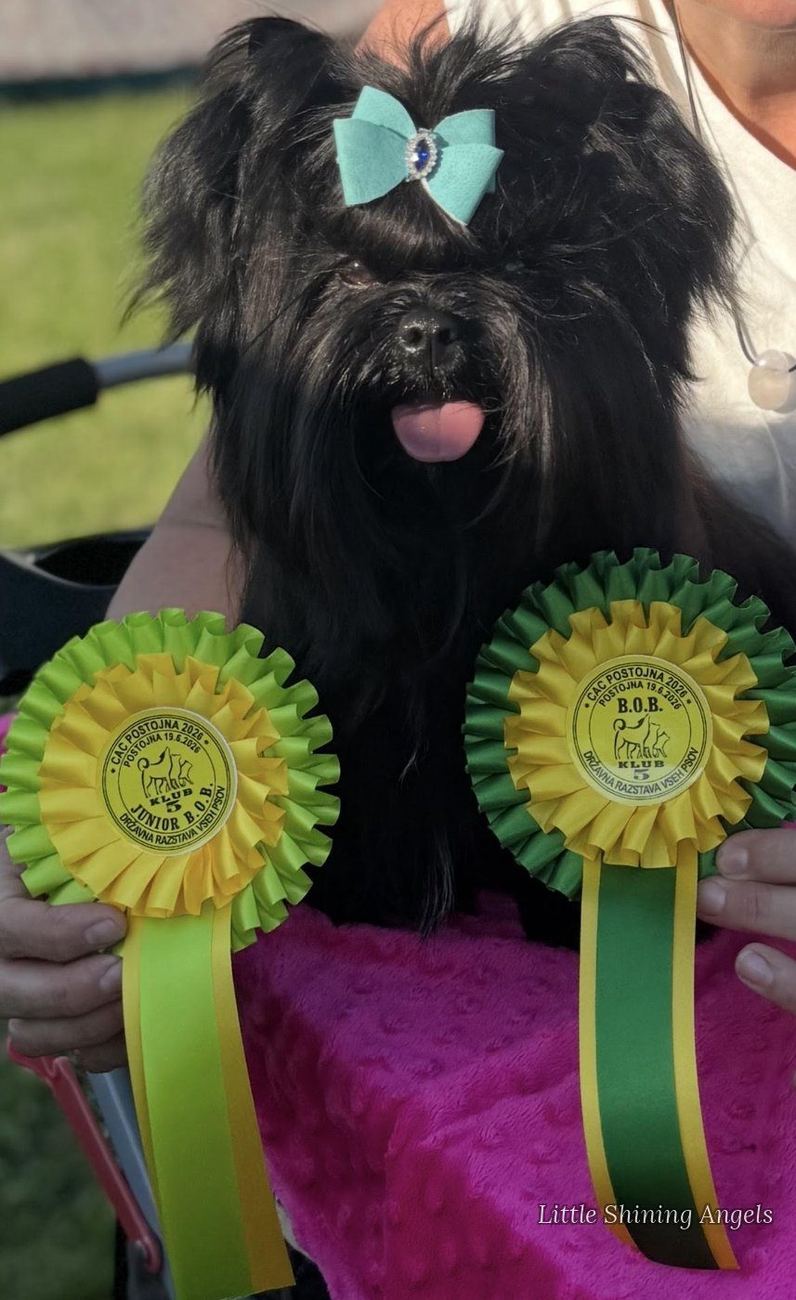
A pedigree is a document of a dog's ancestry. It tells you who its ancestors were and that the dog is of a certain breed. But it tells you nothing about how the dog grew up, whether it received love, whether the mother lived in peace, and whether anyone was there for the puppies in the first, most important weeks. And it is precisely this that most determines what kind of dog it will be.
What mass breeding looks like
In mass breeding, a dog is first of all a product, not a family member. Females have litter after litter, without rest, often only to produce as many puppies as possible. Puppies grow up in kennels, cages or garages, without real contact with people and without everyday home life. They see little of the world, hear few sounds, and rarely does anyone take them in their arms.
Such a puppy may have a pedigree and look healthy, but it has missed exactly what cannot be made up for. The first weeks of calm, kind discovery of the world. So such dogs often grow up more timid, insecure or hard to handle, even though they are beautiful and have papers.
How it is with us
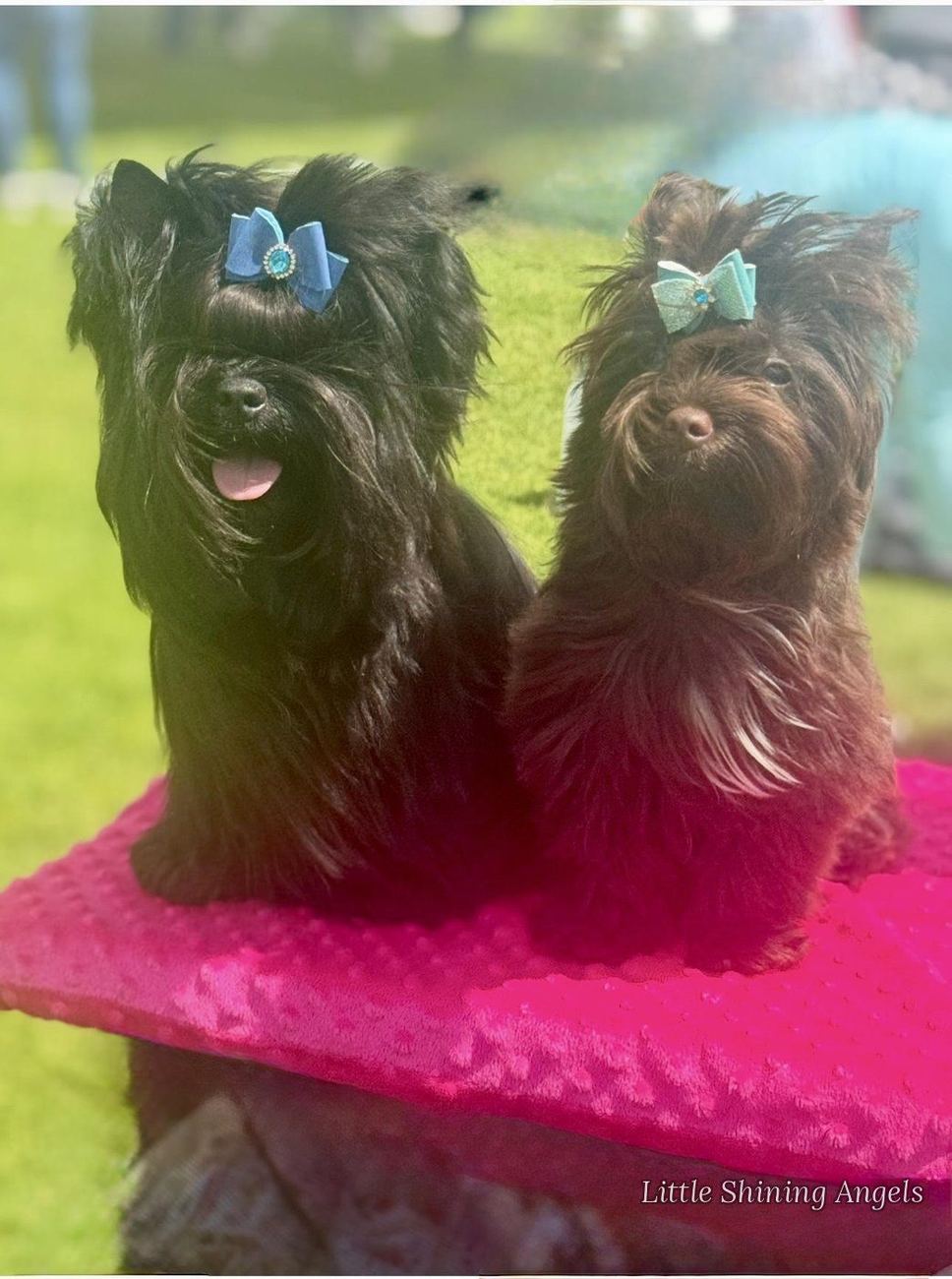
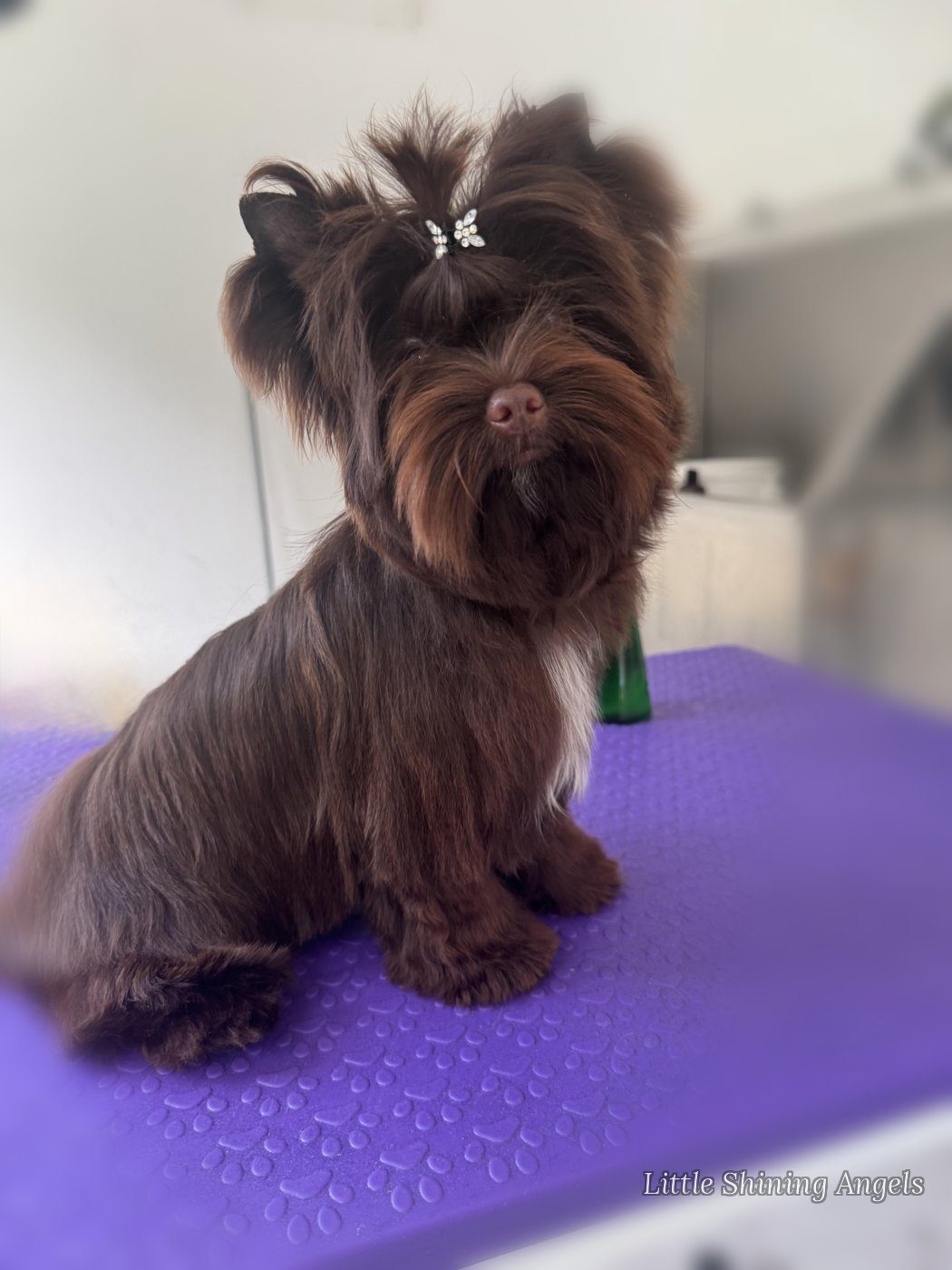
With us, dogs are not a product. They are part of our family and live with us in the home, not in kennels. We have few litters, because we believe every dog deserves full attention. Our females rest between litters and never give birth just to maximise the number of puppies.
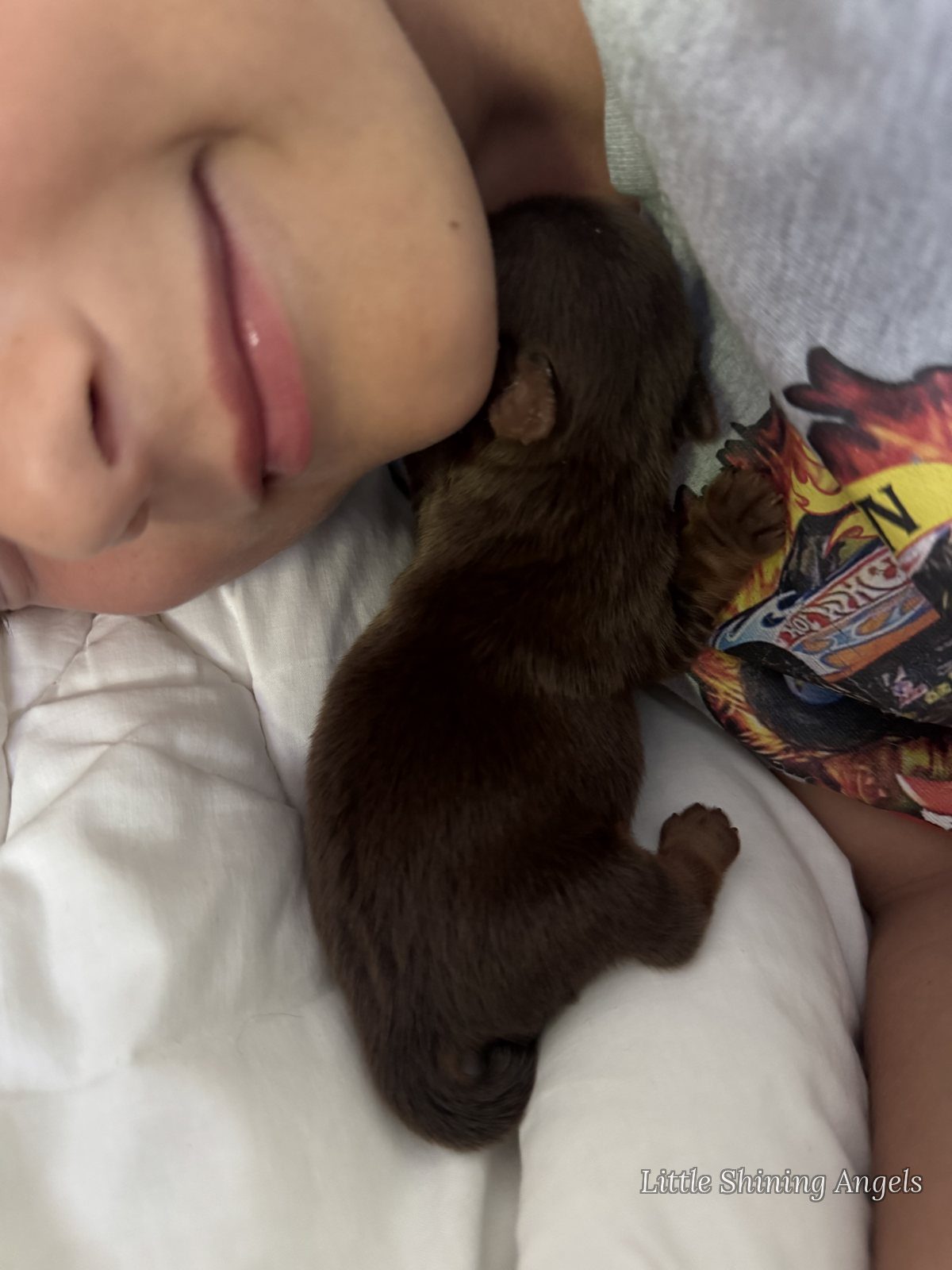
Our puppies grow up in the middle of everyday life. They hear the vacuum cleaner, the doorbell, footsteps, dishes in the kitchen. Every day we take them in our hands, touch them, stroke them. When they leave for a new home, they are already used to people, touch and household sounds. That is exactly why they are more confident and adapt more easily to a new family.
How to recognise good breeding
When looking for a puppy, do not stop at the pedigree and the price. Ask where the puppies live, and ask to see them in their environment, together with their mother. A good breeder will gladly invite you to see how the dogs live and will happily answer your questions. When someone refuses to show you where the dogs live, or wants to hand over the puppy in a car park or somewhere halfway, it is a sign that something is wrong.
A true breeder cares about their puppies even after they leave. They ask how they are, give advice and stay available. Because for them the puppy was not a business but a sweetheart they raised with love.
So do not choose a dog by papers alone. Choose it by how it was raised and how much love was in its first weeks. That is what you will feel every day, for all the years you spend together.
Literature and sources
McMillan FD, Serpell JA, Duffy DL, Masaoud E, Dohoo IR (2013). Differences in behavioral characteristics between dogs obtained from commercial breeding establishments and those obtained from noncommercial breeders. JAVMA 242(10):1359–1363.
McMillan FD (2017). Behavioral and psychological outcomes for dogs sold as puppies through pet stores and/or born in commercial breeding establishments. Journal of Veterinary Behavior 19:14–26.
Slovenian Kennel Club (KZS): Rules on the breeding of pedigree dogs.