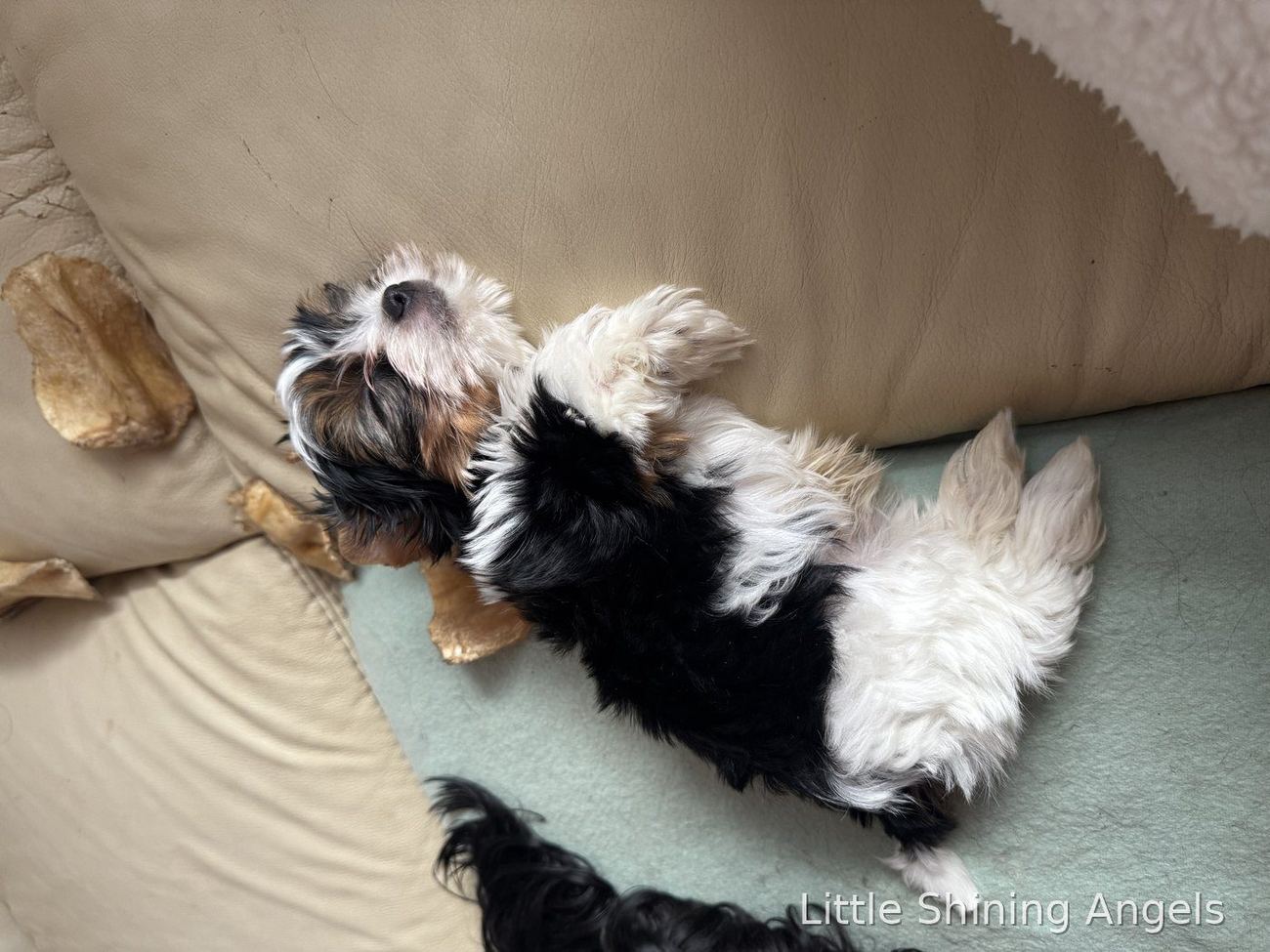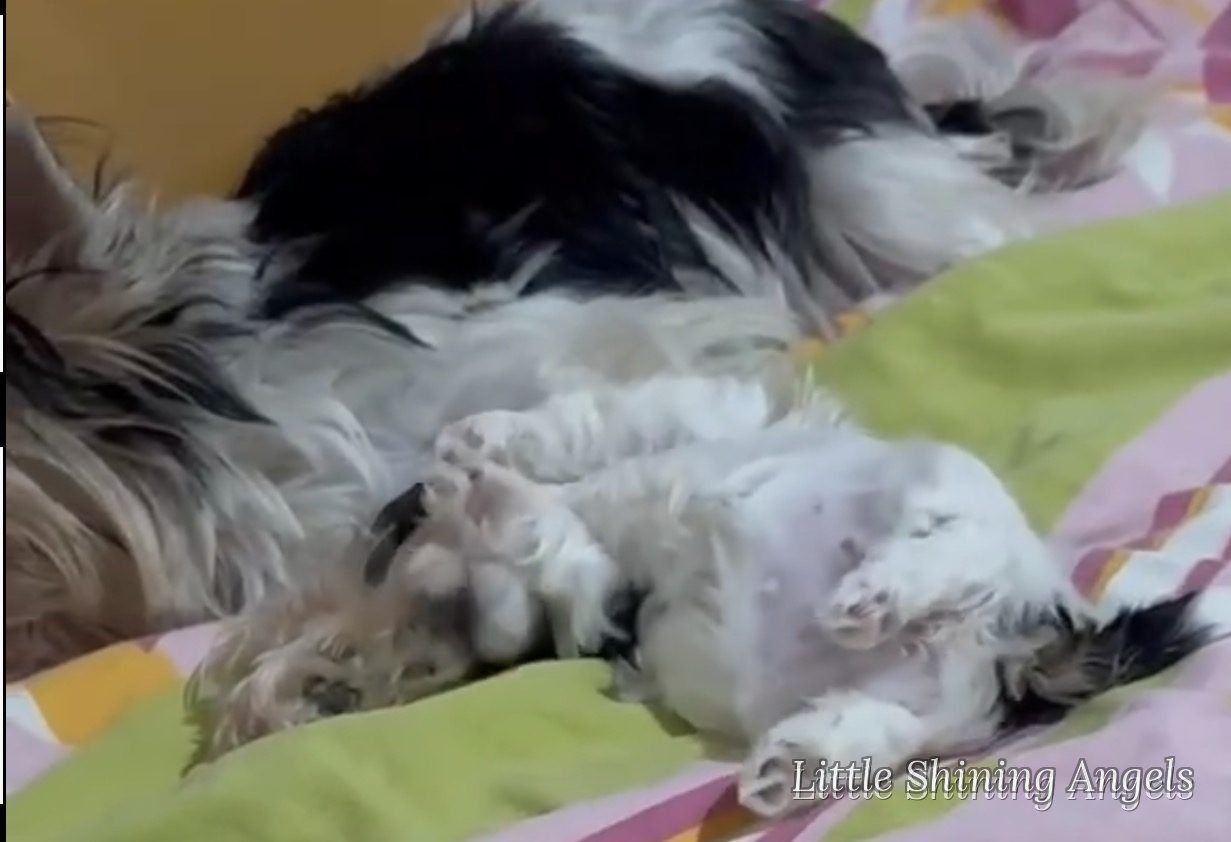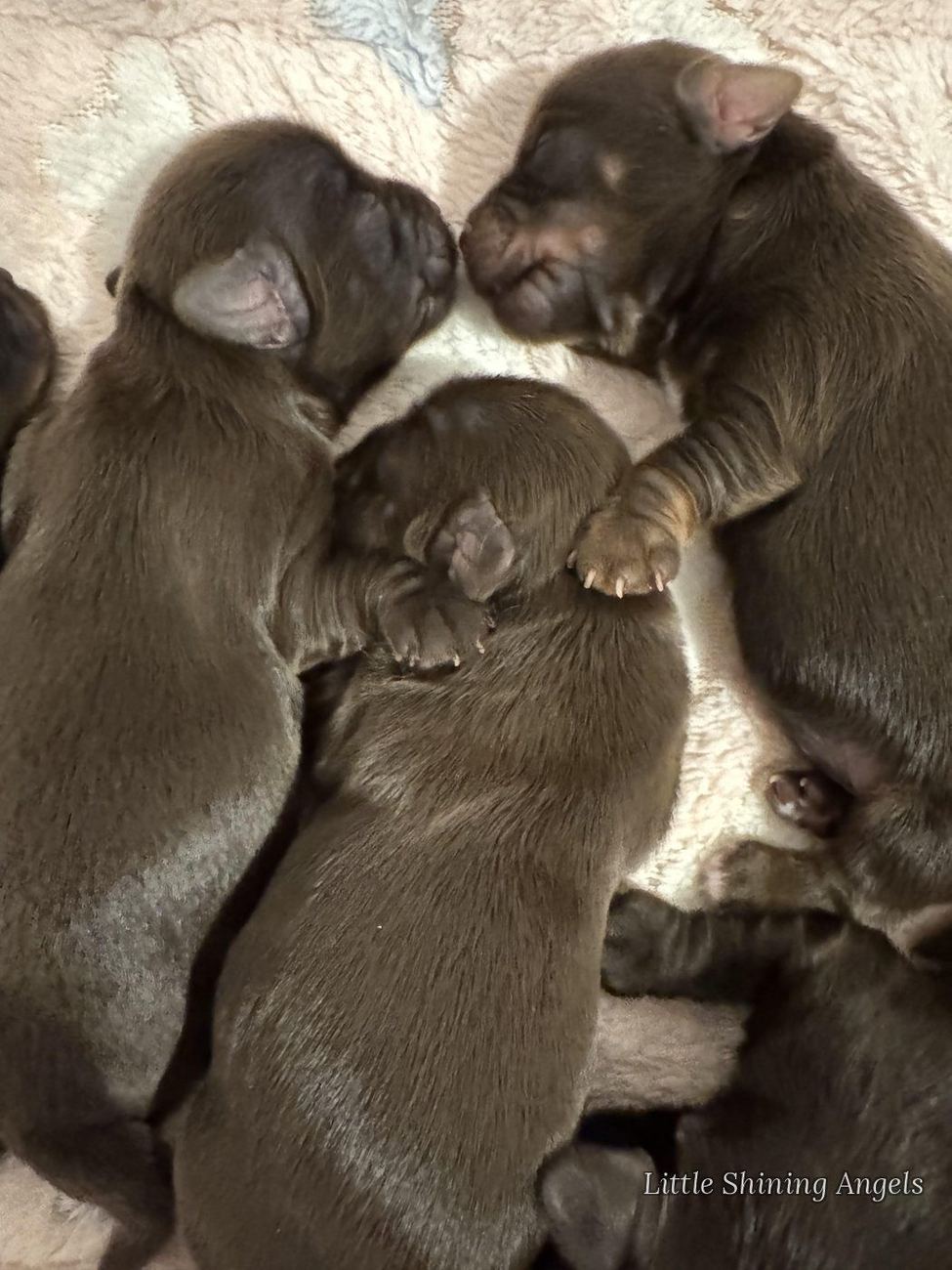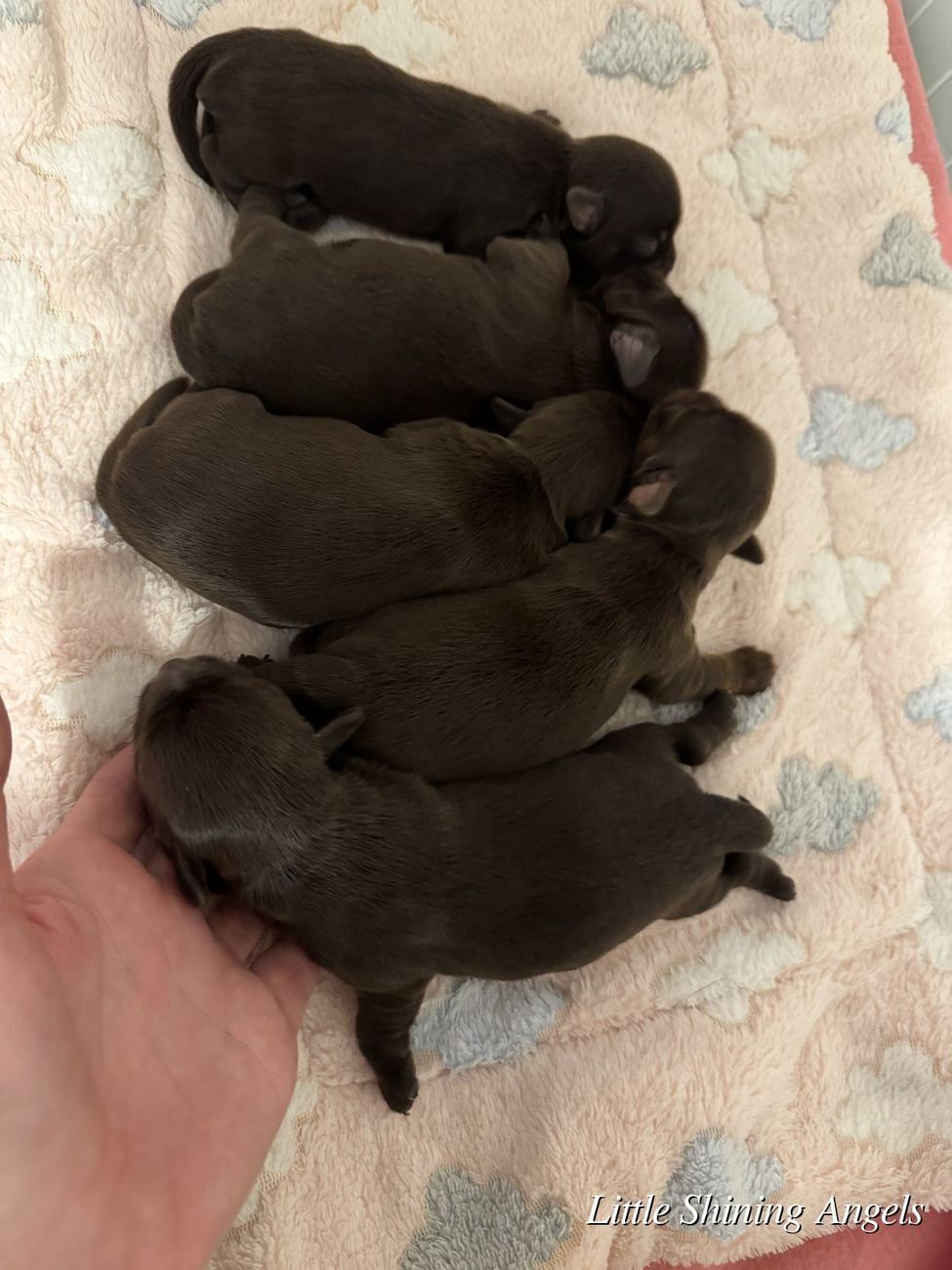
A newborn puppy looks like a small, helpless bundle. Its eyes and ears are still closed, it moves by crawling, and its whole world is warmth and mother's milk. So many people think nothing important happens in these first days. The truth is exactly the opposite.
Important note: this text is of a professional and informative nature and does not replace veterinary care. Every dog is an individual. At the slightest doubt, or at any sign of illness, always call your veterinarian.
Precisely in the first two weeks, when the puppy seems only to sleep and eat, processes are happening in its brain that will affect how it copes with stress for its whole life.
What early neurological stimulation is
In the 1970s the US military developed a protocol they named Bio-Sensor, more widely known as the Super Dog program, or early neurological stimulation. The aim was to improve the performance of working dogs.
The protocol is simple. Between the third and sixteenth day of life, puppies are exposed for a few seconds a day to mild, brief stimuli. These are tiny, controlled prompts a puppy would not experience in nature at exactly this age.
The essence is in the timing. At exactly this time neurological plasticity is greatest, meaning the brain forms fastest and most easily learns how to respond to the world.
Why it works
It sounds contradictory that stress could be beneficial. But this is a special kind of stress, so-called hormesis. It means that a very mild and very brief load strengthens the body, while a prolonged and strong load harms it.
The documented benefits in dogs that received such stimulation are noticeable. Better cardiovascular function, greater resistance to disease and, most importantly, a better response to stress in adulthood. Such dogs calm down faster after a stressful event and stay composed longer.
In other words, a puppy learns in its first days that discomfort comes and passes, and that the body can return to calm. This is a precious lesson for life.
How this looks with us
We will be honest. With our puppies we do not carry out a strict military protocol by the clock and by seconds. But we do something that follows the same idea.
From the first days we gently take every puppy in our hands each day. We stroke it, touch its paws, ears and tummy, turn it for a moment into a different position. These are not exercises; this is daily care with much gentleness.
But it is precisely this gentle, regular touch that does its work. The puppy gets used to the human hand, learns that touch is not dangerous, and its body receives tiny, mild prompts at exactly the age when it is most receptive.
So later, when nail trimming, bathing or a vet visit come along, our puppies do not experience these things as an attack. The human hand has always been something warm to them.
What this means for the new owner
When a puppy leaves us for a new home, it brings this experience with it. It does not come as a dog that fears touch, but as a dog whose experience of the human hand has only ever been gentle.
That is why we recommend you continue this. Daily gentle handling, touching the paws and ears, calm stroking. This is not spoiling. It is investing in a dog that will be able to stay calm when it needs it most.
Literature and sources
Battaglia CL (2009). Periods of early development and the effects of stimulation and social experiences in the canine. Journal of Veterinary Behavior 4(5):203–210.
Gazzano A, Mariti C, Notari L, Sighieri C, McBride EA (2008). Effects of early gentling and early environment on emotional development of puppies. Applied Animal Behaviour Science 110(3–4):294–304.
Scott JP, Fuller JL (1965). Genetics and the Social Behavior of the Dog. University of Chicago Press.